The problem: interior paints between commodity and differentiation
The market for water-based interior paints is highly mature and strongly competitive. Differentiation on traditional parameters – coverage, wash resistance, breathability, low VOC – is by now compressed: all the main manufacturers offer performance aligned on the basic specifications.
The differentiation levers that today create tangible commercial value are additional functional performances that act on the consumer’s experience or on the positioning of the product in specific segments (HORECA, healthy buildings, premium residential).
Emerging as a market trend are scented paints with gradual release of the fragrance, a solution that adds a sensory dimension to the painted wall and finds application above all in the premium residential segment, in sector experiential marketing and in retail spaces.
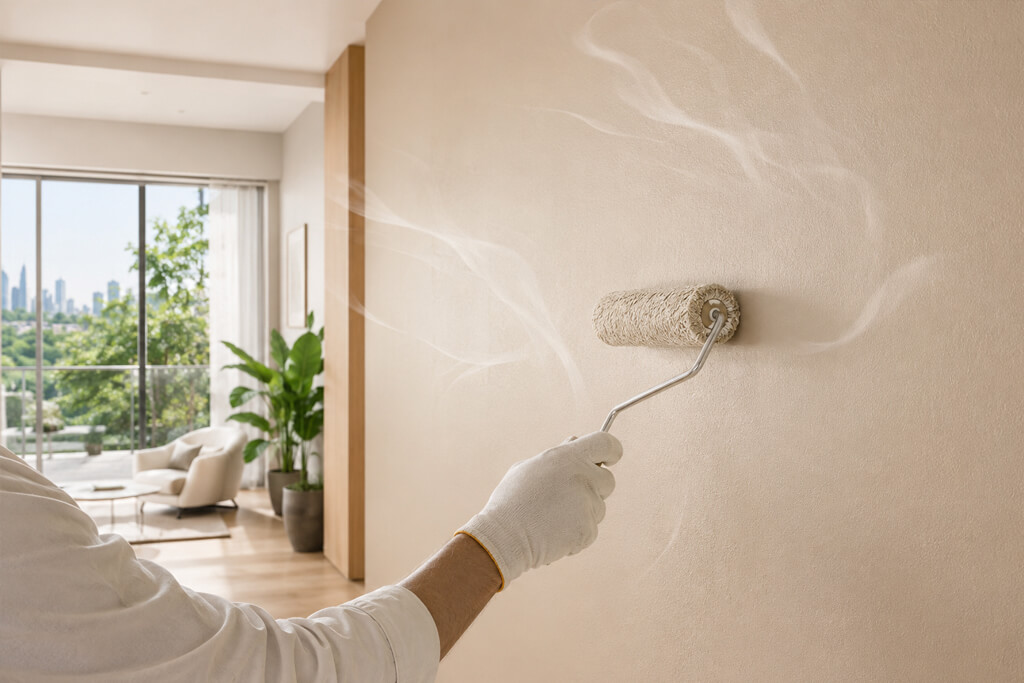
- Manufacturers of water-based interior paints and coatings are looking for differentiating formulation levers compared with the competition, integrable into existing production processes without heavy investment in new formulation technologies.
- The R&D departments of chemical/coatings groups are evaluating active ingredients and functional additives with guaranteed formulation stability in water-based systems, scalable to industrial orders and with suppliers able to ensure continuity.
- Free fragrances added to the paint: they evaporate rapidly, exhausting the scent in the first few days
- Active ingredients in free form: instability in formulation, rapid decay after application
- Post-application surface additives: not integrable into the production cycle, application complexity for the end user
The IPS solution: microcapsules in slurry for paints
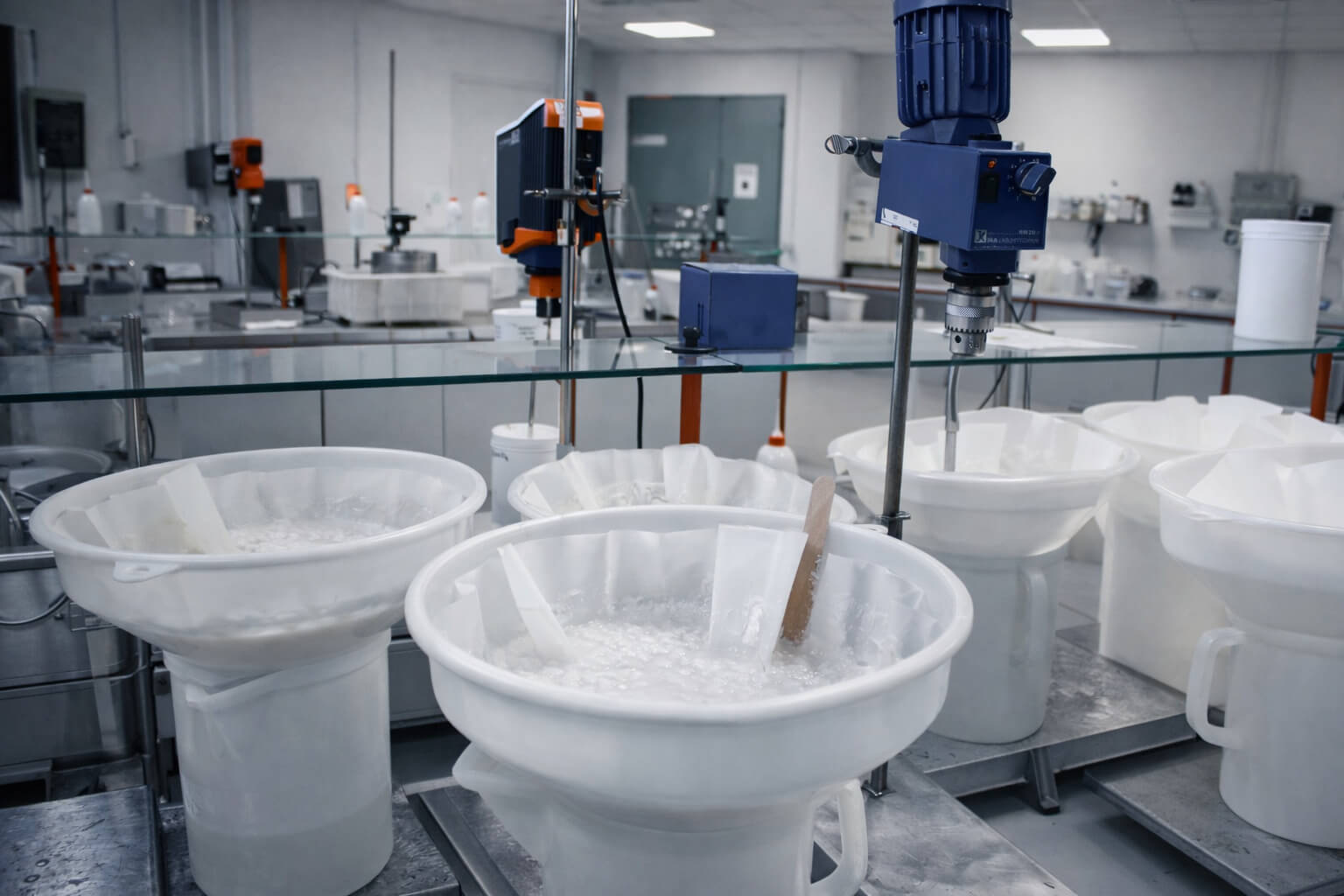
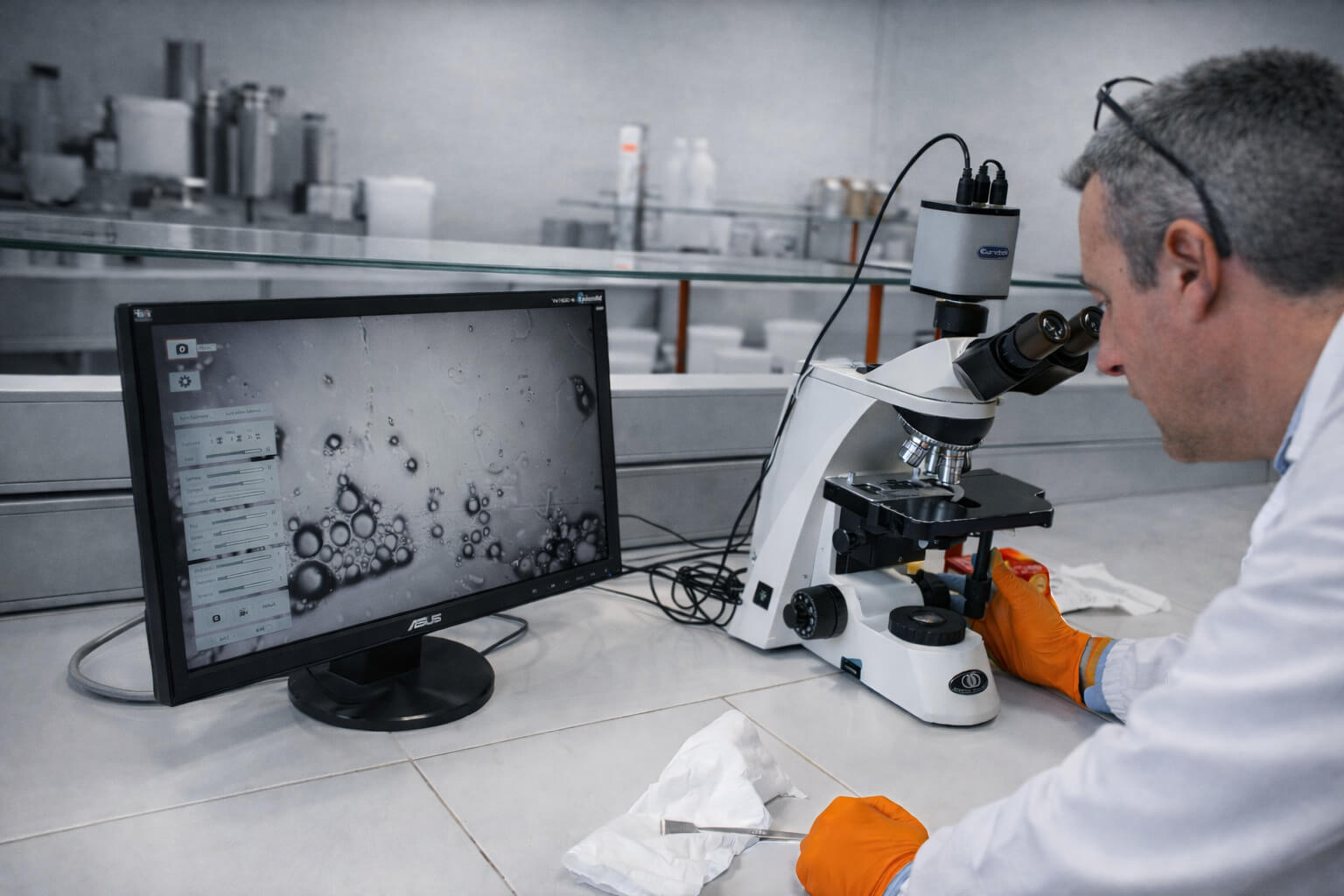
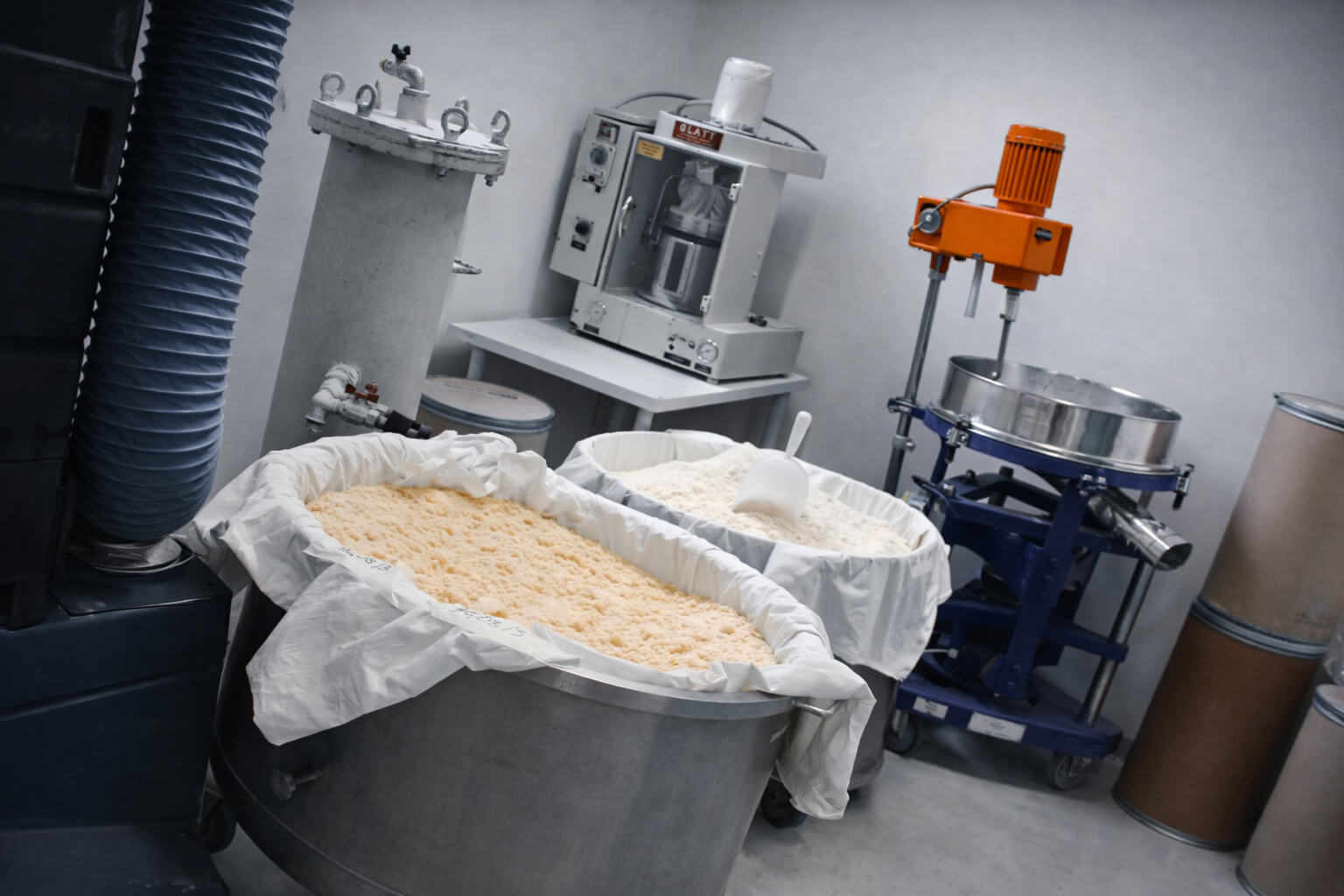
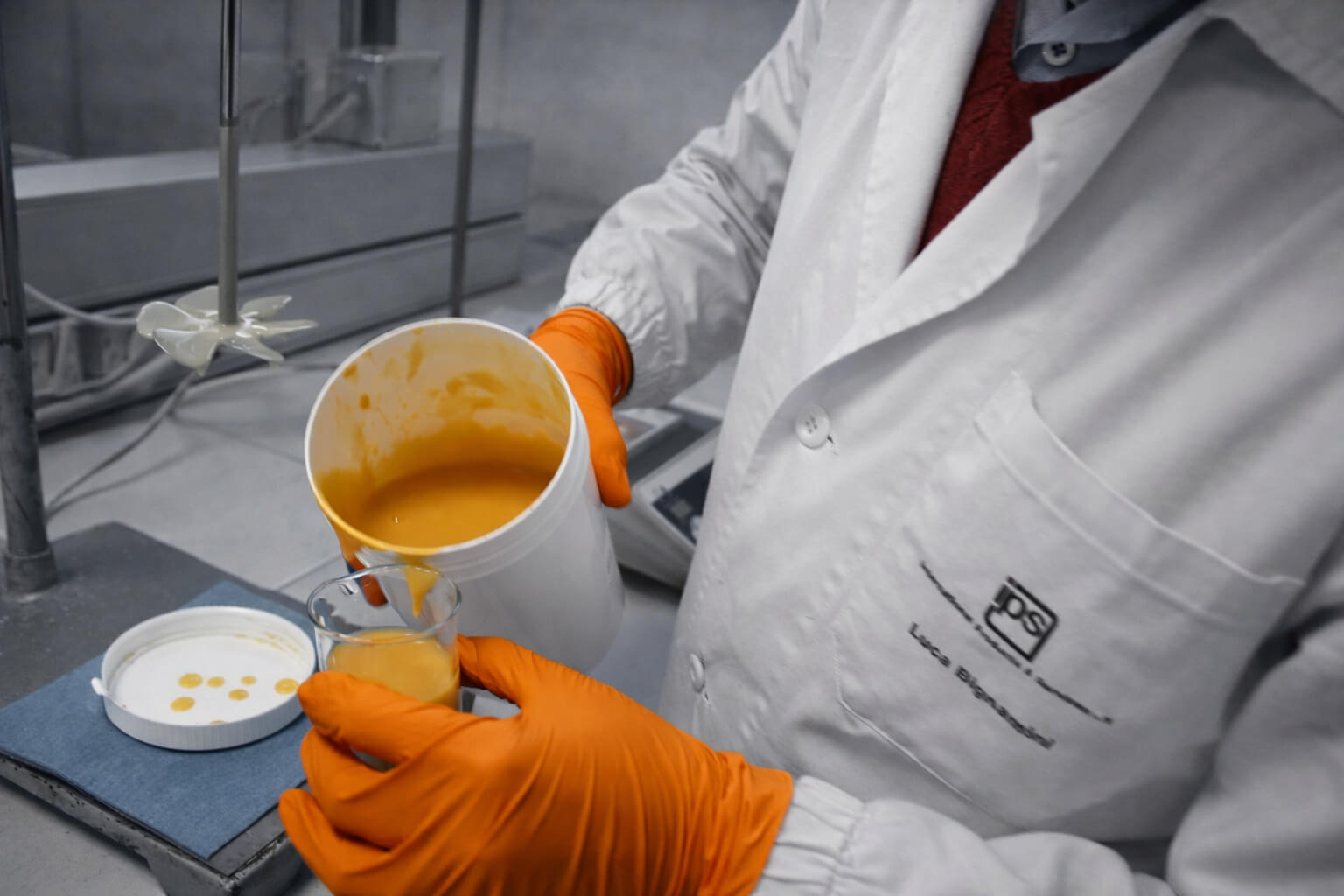
IPS Industrial proposes the integration of microcapsules in slurry to be inserted directly into the formulation of water-based paints. The slurry – an aqueous suspension of core-shell microcapsules with a gelatin polymer membrane – is naturally compatible with the formulation systems of water-based paints and integrates as a functional additive into the standard production cycle.
The concept is declined across the following complementary application families:
-
OPTION A - Scented paints with prolonged release
The microcapsules contain lipophilic fragrances or essential oils. Once the paint is applied and dried on the wall, the microcapsules remain intact in the matrix of the dried film. Release occurs through slow evolution over time - with more intense activation when the surface is rubbed, touched or exposed to local mechanical stress. The fragrance accompanies the environment for months, not days. The IPS fragrance library includes floral, fruity, fresh, woody and gourmand scents - with the possibility of microencapsulating fragrances supplied directly by the client for bespoke projects. -
OPTION B - Functional paints with sanitising active ingredients
The microcapsules contain functional active ingredients calibrated to the target application. The polymer shell protects the active ingredient during storage of the paint and during application - keeping its functional efficacy intact in the dried paint. The controlled release over time prolongs the activity compared with active ingredients in free form, which are subject to rapid decay. The specific formulation of the active ingredient, the concentrations, the functional claims and the test protocols are defined during joint development with the paint manufacturer on the basis of the specific application fields. -
OPTION C - Functional + sensory combination
The two families can be combined in the same paint formulation: one microcapsule can carry the functional active ingredient, another the fragrance - to obtain a paint that works on both dimensions (functional and sensory). The IPS know-how on the integration of microcapsules in slurry into water-based matrices is documented by the case study on slurry insoles for the footwear sector - an established industrial application that shares with paint the principle of the homogeneous distribution of the slurry in an aqueous processing matrix.
Technical specifications for paint formulation
Reference technical parameters of the microcapsules in slurry compatible with water-based paints:
| IPS Microcapsules in Slurry | |
|---|---|
| Physical form | Aqueous suspension |
| Microparticle size | 20 - 500 um (customisable) |
| Structure | Core-shell, gelatin membrane |
| Deliverable active ingredient | Fragrances, essential oils, lipophilic functional agents |
| Formulation compatibility | Water-based paints and coatings |
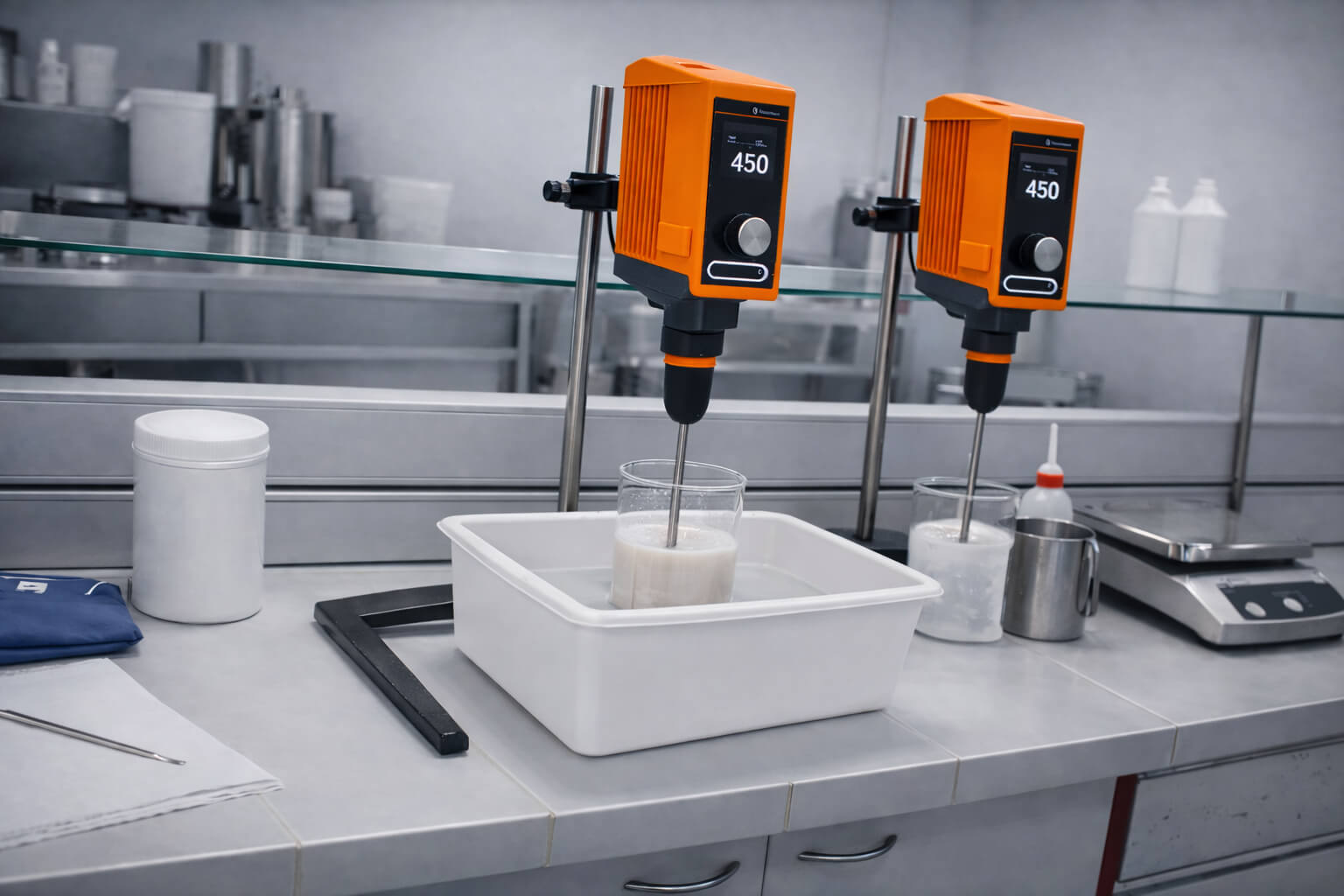
| Integration method | Direct mixing into the paint production cycle |
| Release mechanism | Rubbing, abrasion, contact, slow evolution over time |
| Formulation stability | Stable in water-based systems at compatible pH |
| Minimum industrial volumes | Compatible with industrial orders |
Integration into the industrial textile process
- Assessment of the microencapsulability of the active or fragrance selected
- Calibration of the slurry formulation to project specifications (size, concentration, active ingredient)
- Prototyping of pilot batches of slurry to be integrated into the paints
- Series production of the slurry as an additional formulation component
Commercial advantages for the main targets
For manufacturers of interior paints and coatings
- Concrete technical differentiation: a functional paint (scented or with specific active ingredients) is a strong selling argument towards specialist retailers, building large-scale retail, application professionals and specific segments such as healthcare and HORECA.
- Premium positioning of the offering: microencapsulation enables a higher range level, removed from the price competition of the commodity.
- Compatibility with existing processes: no investment in new equipment - the slurry integrates as an additive into standard mixing cycles.
- Extensibility across the whole range: the same slurry can be used in water-based wall paints and other water-based paints - allowing a complete functional line to be developed.
For coatings R&D departments
- Industrialised technology: IPS produces microcapsules in slurry as an established B2B supply across different sectors (footwear, packaging, textiles) - this is not experimental development.
- Scalability to industrial orders: compatible with the industrial batches typical of interior paint production.
- Documented formulation stability: technical specifications replicable in internal quality procedures.
- Continuity of supply: IPS carries out the microencapsulation at its own Italian plant, ensuring supply-chain control without dependence on Asian suppliers.
- Combinability of active ingredients: the possibility of carrying different active ingredients in separate microcapsules, broadening the design combinations on the same formulation base.
Application sectors for functional paints
- Healthy-buildings residential: paints for private homes oriented towards living wellbeing, with a natural fragrance that accompanies the daily life of the domestic space - a growing segment in high-end renovations.
- Healthcare: hospitals, care homes, surgeries, private clinics: functional paints for environments where the hygienic aspect is a priority - walls that integrate specific active ingredients into the formulation.
- HORECA - hotels, restaurants, bars, retail chains: paints for hospitality environments where the sensory atmosphere and the hygiene of spaces are levers of commercial positioning.
- Schools, nurseries, educational facilities: functional paints for environments with a high density of use by children - a segment sensitive to the technical specifications of enclosed spaces.
- Offices and corporate environments: paints for workspaces with a lever on sensory comfort - a segment oriented towards corporate wellbeing.
- Retail and showrooms: scented paints for commercial environments where smell is a lever of experiential marketing - boutiques, perfumeries, concept stores.
- Sports and fitness facilities: high-frequency-use environments where functional paints integrate a sensory and hygienic dimension.
Development status and supply terms
The production of microcapsules in slurry is industrialised by IPS and available as a B2B supply. The specific application to the water-based interior paint sector is under development as a dedicated concept and requires a joint design phase with the paint manufacturer to verify the chemical compatibility between slurry and paint system, calibration of the size and concentration of the microcapsules, definition of the target release parameters, validation on test panels and pilot production cycles.
IPS supports paint manufacturers and coatings R&D through its structured service for the development of new microencapsulation projects: analysis of the project’s formulation specifications, prototyping of bespoke slurry, optimisation of the parameters, industrial scale-up.
FAQ - Frequently asked questions on functional water-based paints with microcapsules
Is the IPS slurry stable in water-based paints throughout the storage period?
Are the microcapsules visible on the surface of the painted wall?
How long does the fragrance release last after application?
Is the system compatible with all types of water-based paint?
Which active ingredients can be microencapsulated for functional paints?
Can fragrances and other active ingredients be combined in the same paint?
Does microencapsulation protect the active ingredient from decay during storage?
Yes. The polymer shell isolates the active ingredient from oxygen, moisture and chemical interactions with the other components of the paint during storage. This is one of the structural advantages of the microencapsulated system compared with the active ingredient added in free form, which undergoes progressive decay in the tin even before application.