
Dry Microcapsules
Dry microcapsules transform liquid raw materials into stable, easily integrable powders
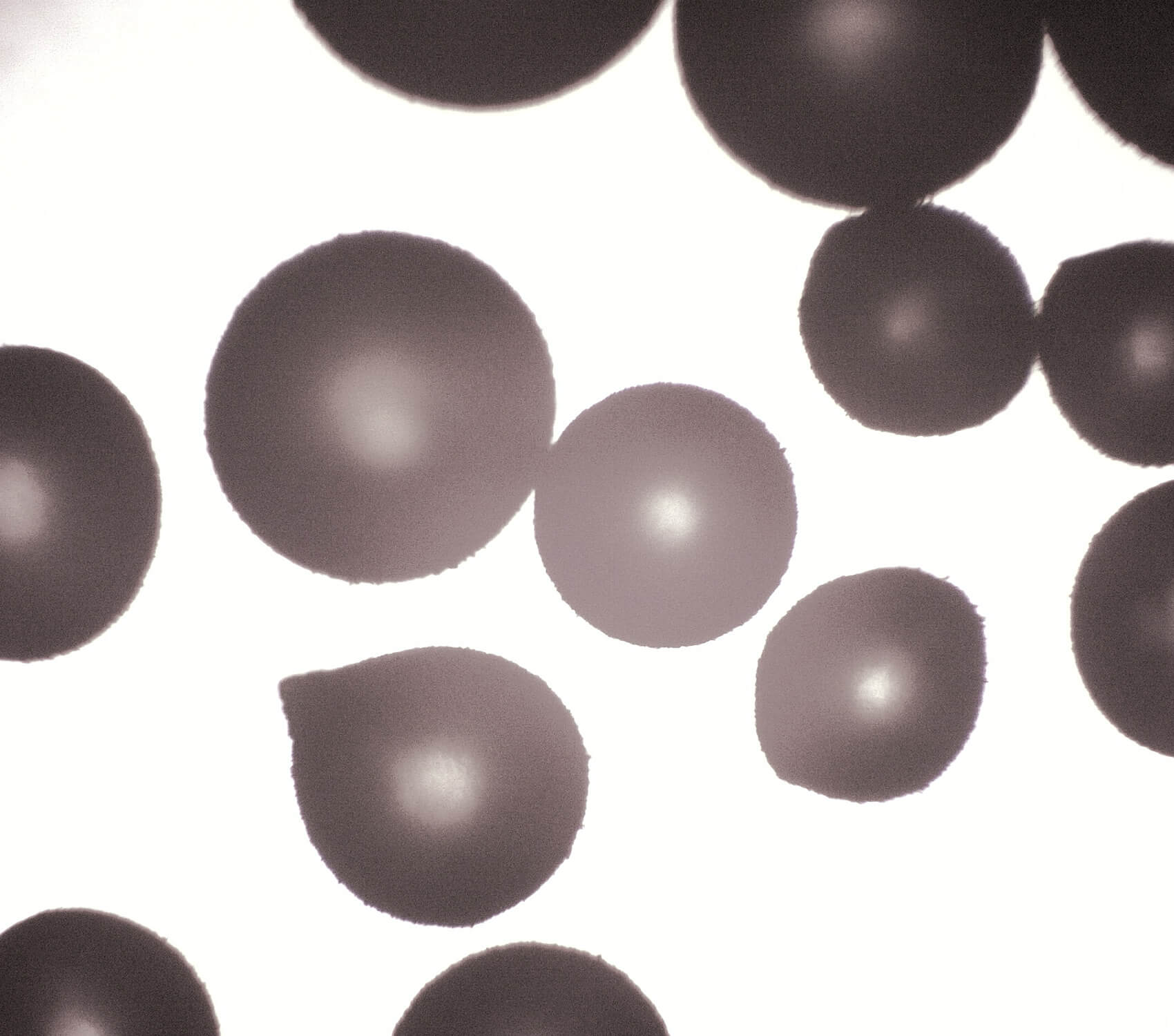
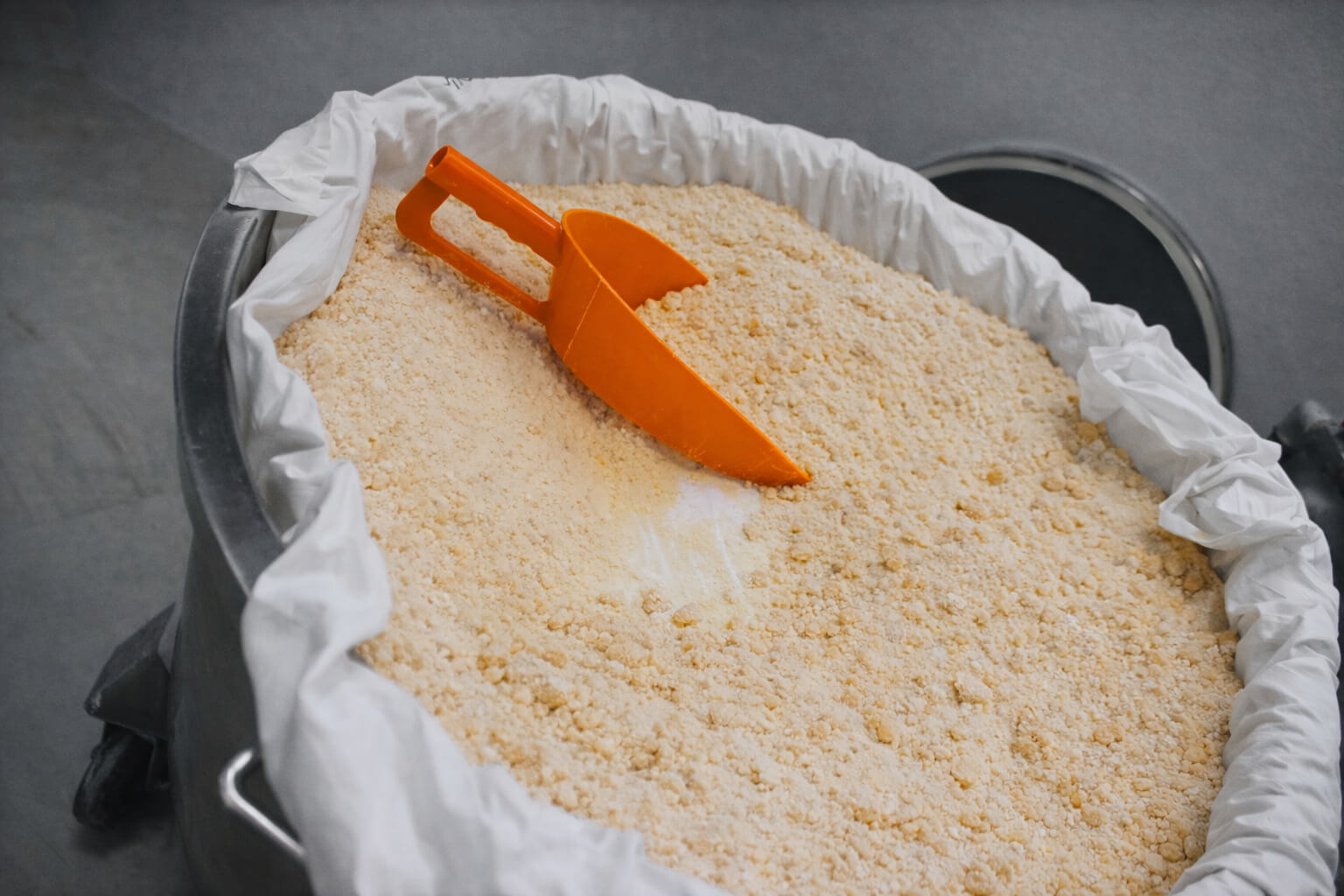
Unlike aqueous suspension microcapsules, this form undergoes a careful drying process, transforming liquid raw materials into a fine powder. These microcapsules are suitable for numerous industrial applications, thanks to their unique properties.
The size of the microcapsules can range from 50 to 1,500 µm, depending on the characteristics of the microencapsulated raw material.
Dry microcapsules are produced through coacervation — the same technology behind slurry microcapsules — and are subsequently subjected to a drying process, transforming the aqueous suspension into a fine, stable powder.
Production process
-
Microencapsulation by coacervation
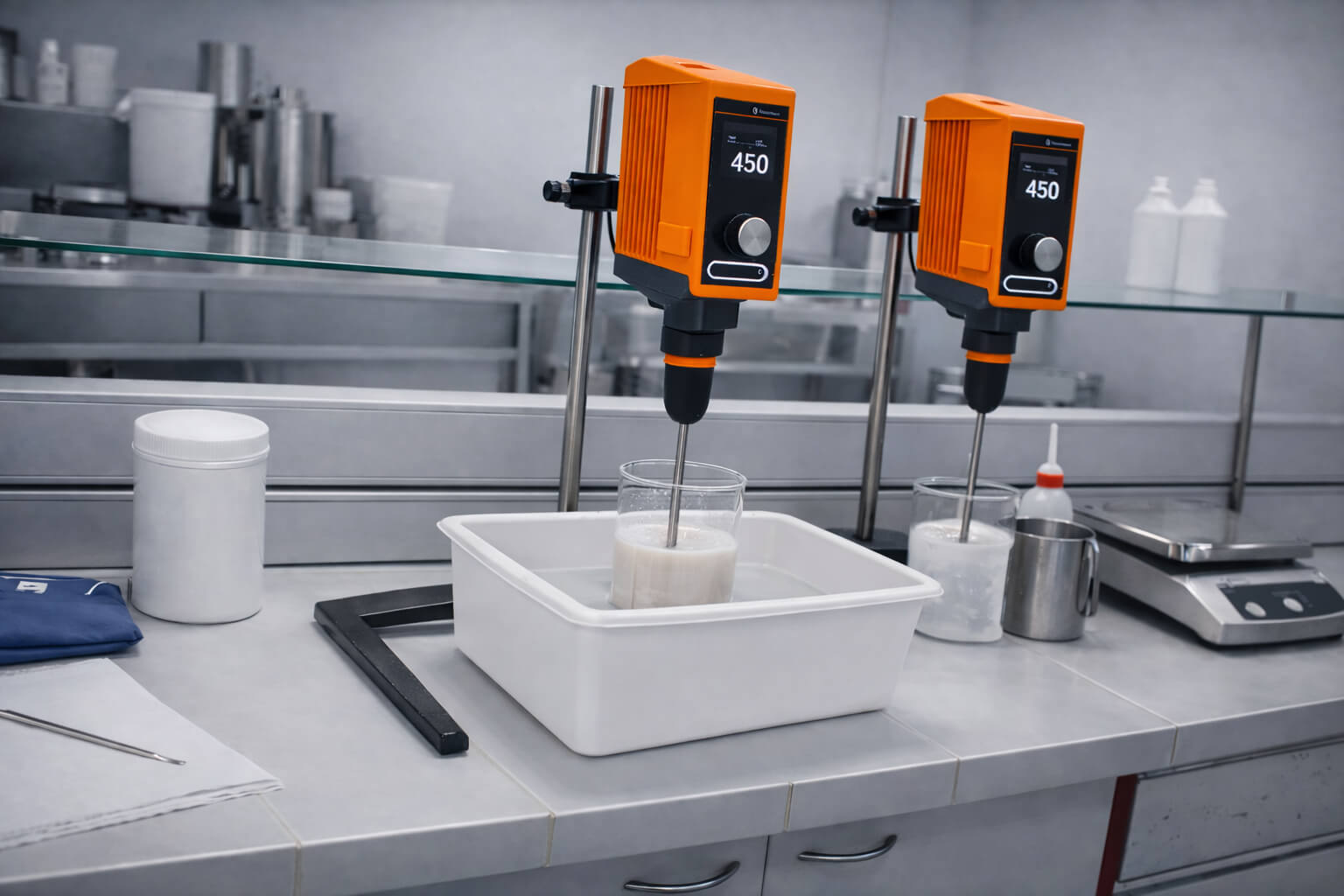
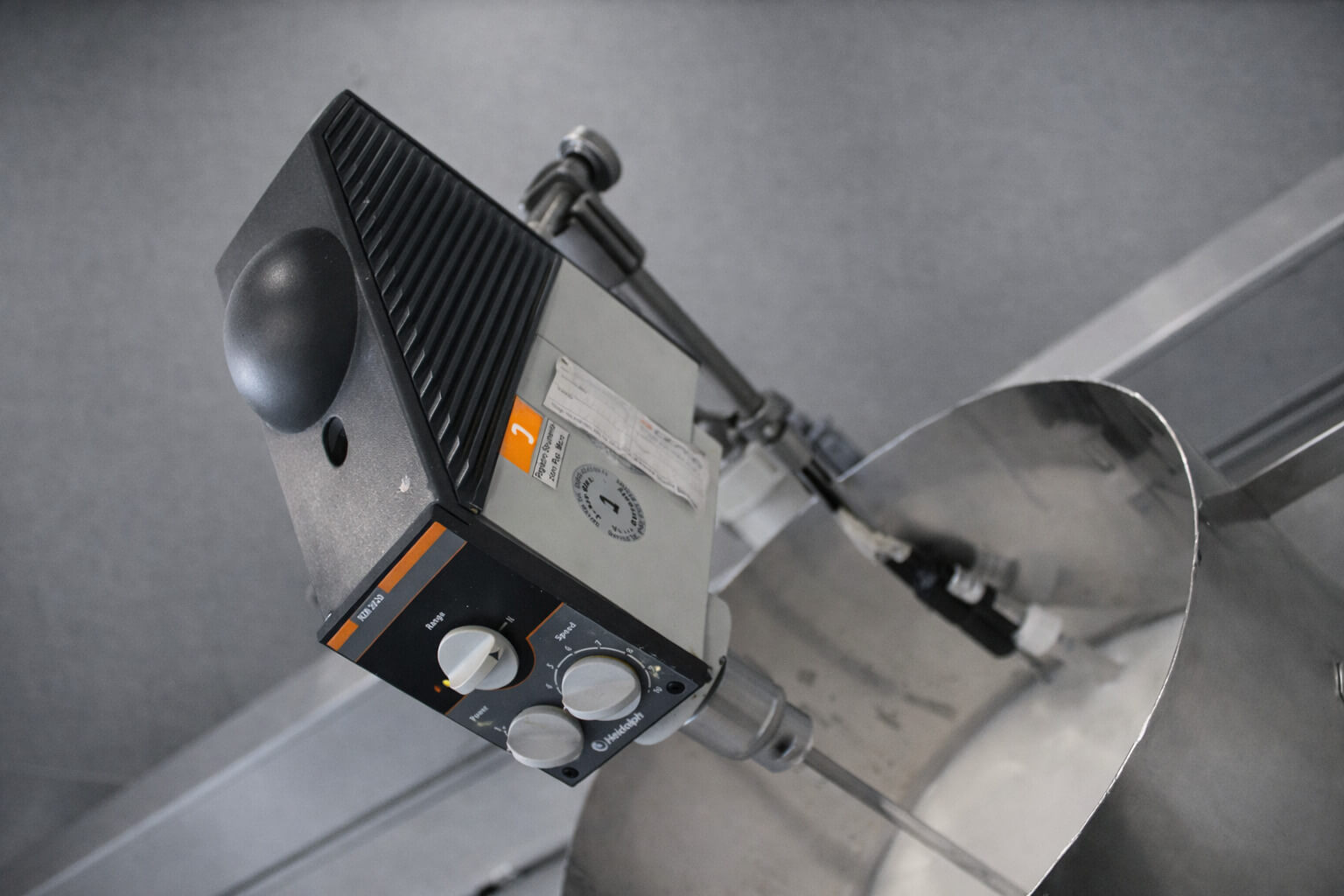
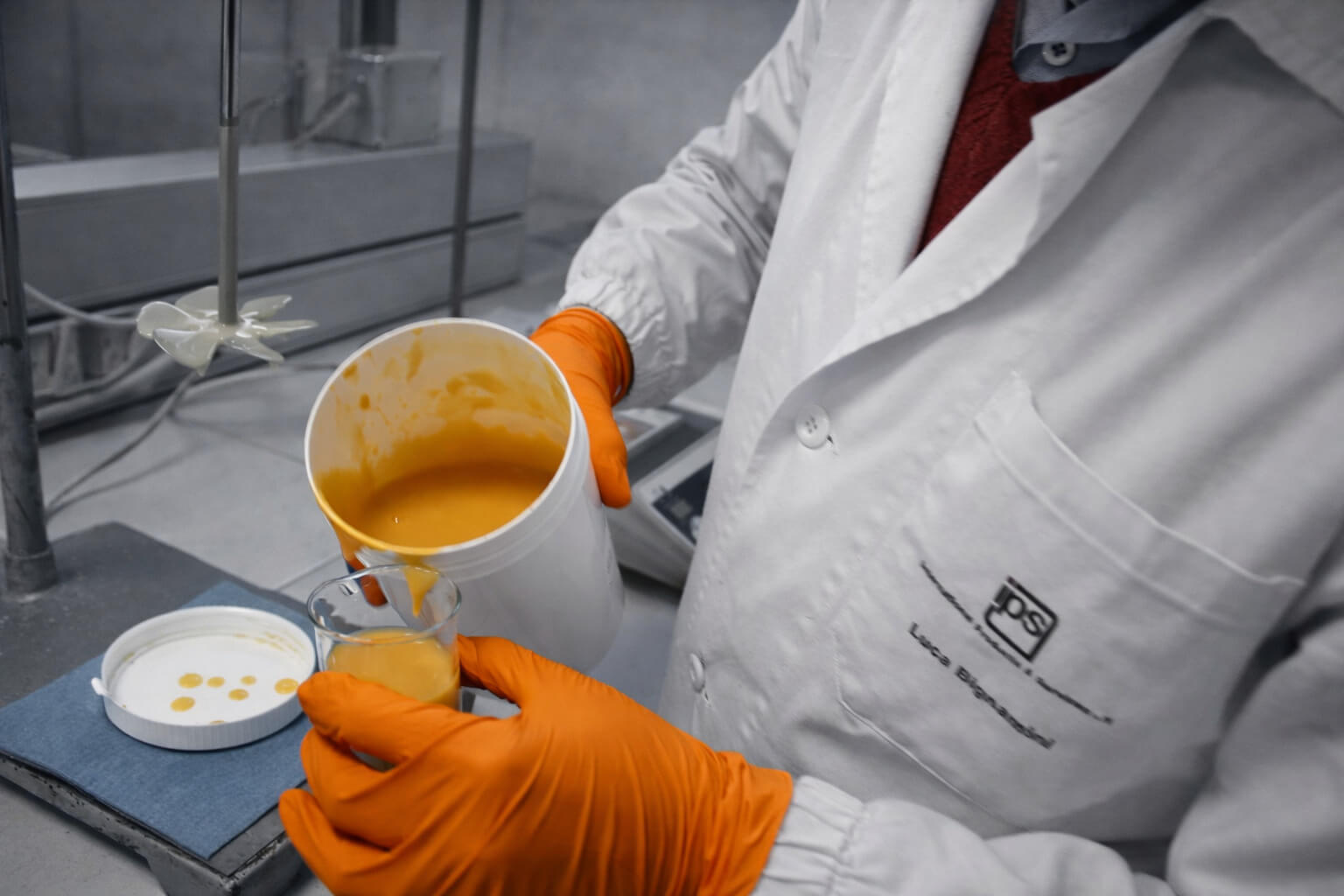
The lipophilic substance to be encapsulated is dispersed in an aqueous solution containing gelatin as the wall polymer. By modifying the process conditions, the polymers coacervate and deposit around the droplets of the active substance, forming a continuous membrane. The resulting structure is of the core-shell type: an active core protected by a gelatin shell. -
Drying and sieving
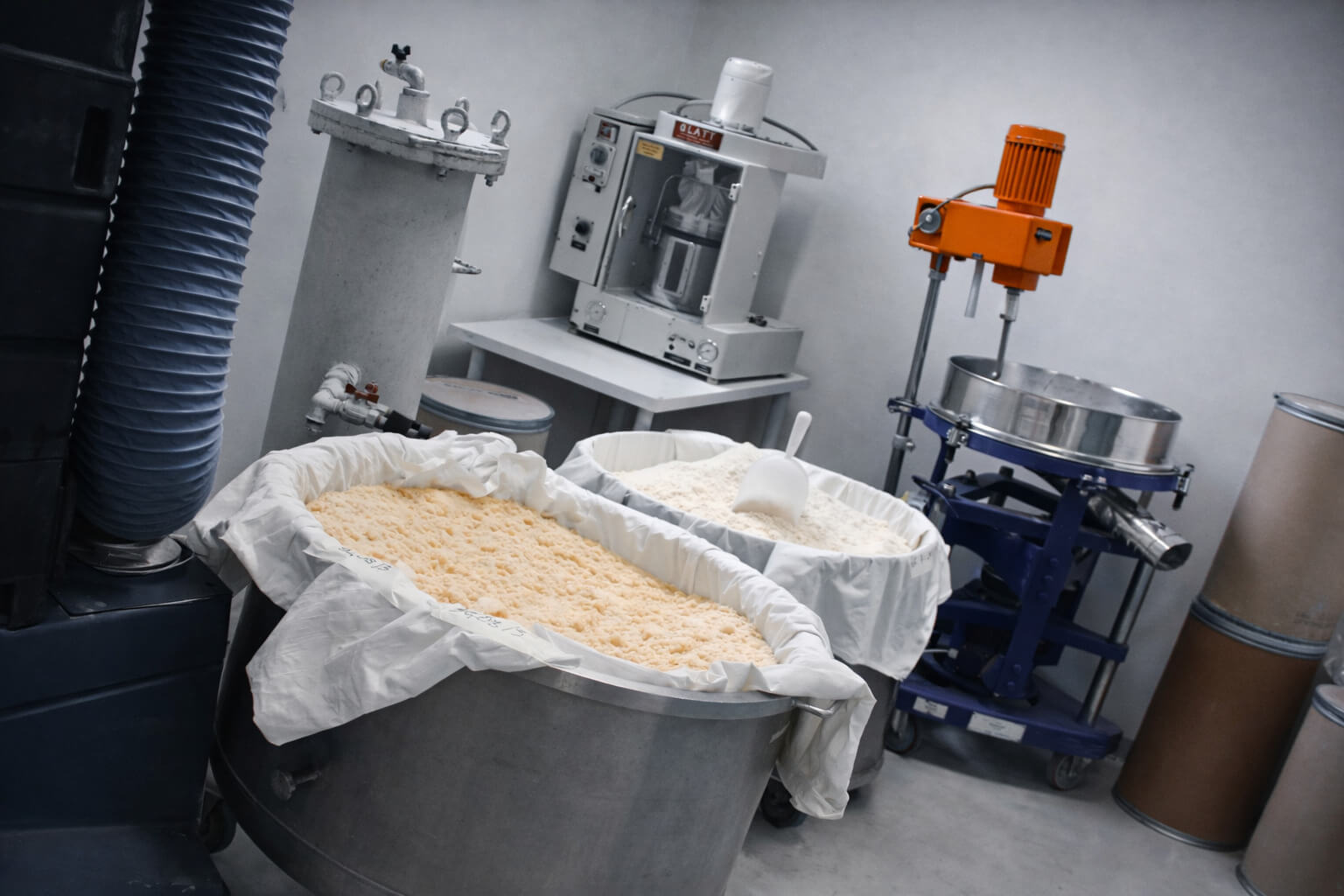
The microcapsules are transferred to a dryer where a controlled flow of hot air removes the aqueous phase, transforming the suspension into a powder. The process ensures homogeneous drying without degrading the microcapsules or the active ingredient. The powder is subsequently sieved to select the particle size fractions within the required size range.
Technical parameters
| Parameter | Value / notes |
|---|---|
| Microcapsule size | 50 – 1,500 µm (selectable by sieving) |
| Average active content | 80 – 85% |
| Residual moisture | < 10% |
| Wall material (shell) | Gelatin |
| Drying process | Fluid bed drying |
| Particle size control | Post-drying sieving |
Dry Microcapsules vs. Slurry Microcapsules: WHEN TO CHOOSE WHICH
| Dry Microcapsules | Slurry Microcapsules | |
|---|---|---|
| Physical form | Fine powder | Aqueous suspension |
| Process integration | Ideal for solid formulations and dry processes | Ideal for aqueous processes: impregnation, coating, padding |
| Dosage | Easy gravimetric dosing (weighing) | Volumetric dosing of the suspension |
| Compatibility | Dry mixing processes, powders, patches, transdermal patches | Textile, paper, tissue, non-woven, industrial personal care |
| Microcapsule size | 50 – 1.500 µm | 20 – 500 µm |
| Average active content | 80 – 85% in peso | Variable depending on the formulation |
Technical specifications
-
Stability
Good stability is crucial to ensure that the microcapsules remain uniformly dispersed without aggregating. -
Content protection
Microcapsules protect the encapsulated materials from degradation or premature reactions, ensuring a longer shelf life. -
Trigger-activated functionality
Microcapsules can be designed to respond to specific external stimuli, such as changes in pH, pressure or others. -
Ease of integration
The powder form integrates easily into dry production processes, with no need to manage an aqueous phase.
Applications
-
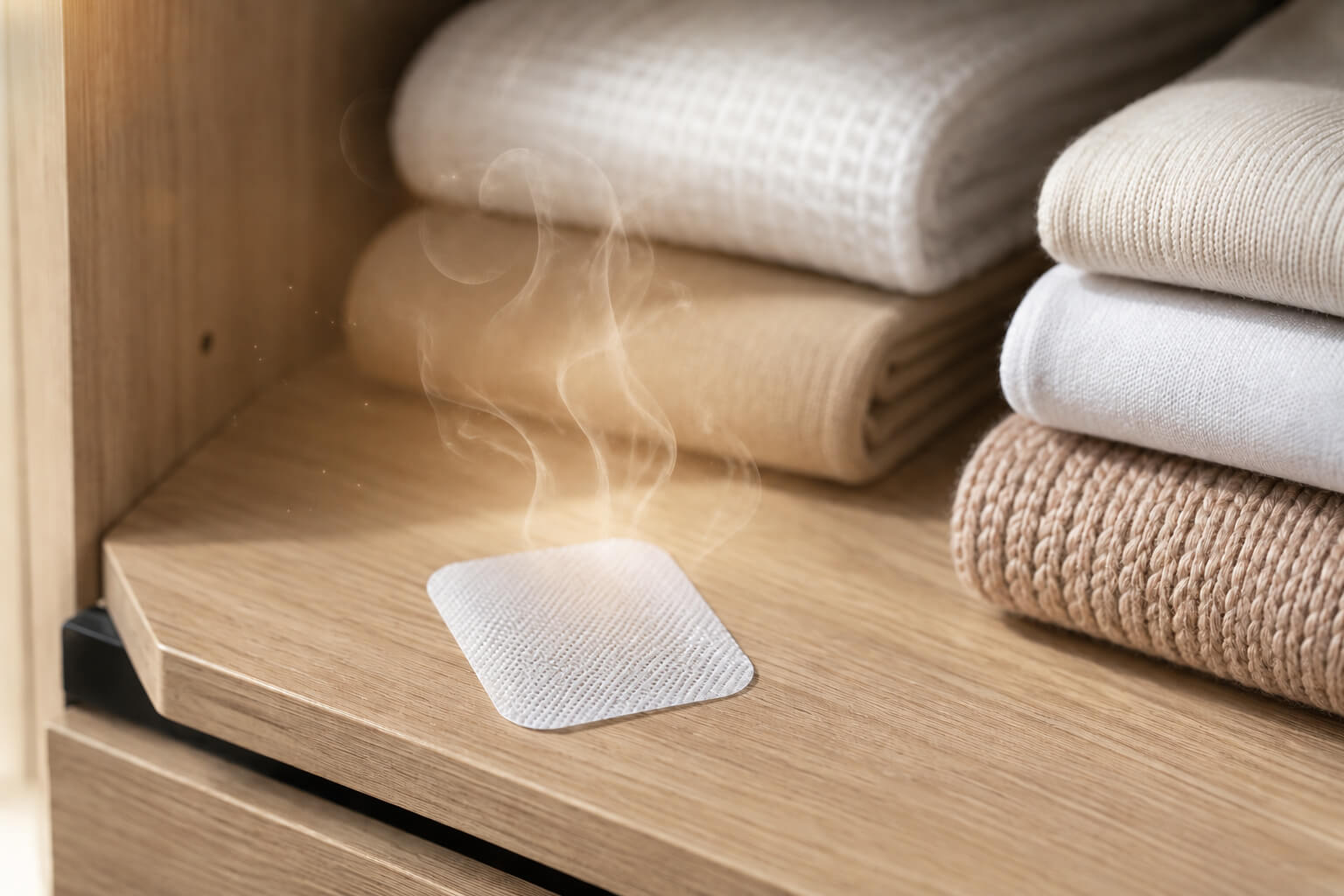
Scented patches
• Anti-mosquito patches with microencapsulated essential oils (citronella, eucalyptus, lavender)
• Adhesive materials with sensory or functional properties
Potential application developments
IPS Dry Microcapsules Application Examples
FAQ — Dry Microcapsules
Frequently asked questions about powder microcapsules for industrial applications
What are dry microcapsules?
Dry microcapsules are produced by coacervation and subsequently dried, transforming liquid substances into a fine, stable powder. The result is a solid product that is easy to dose, store and integrate into dry formulations and production processes.
How are dry microcapsules produced?
Production takes place in two stages: first microencapsulation by coacervation (the active substance is coated by a gelatin membrane), then fluid bed drying (a controlled flow of hot air removes the aqueous phase, transforming the suspension into a powder). The powder is finally subjected to sieving to select the particle size fraction within the required size range.
What are the main technical parameters of IPS dry microcapsules?
What is the difference between dry microcapsules and slurry microcapsules?
The main difference is the physical form: dry microcapsules are a powder, while slurry microcapsules are an aqueous suspension. Dry microcapsules integrate into dry processes (patches, powder blending), while slurry microcapsules integrate into aqueous processes (textile impregnation, coating, padding). Dry microcapsules have a higher active content (80–85%) and sizes up to 1,500 µm, while slurry microcapsules reach up to 500 µm.
In which applications are IPS dry microcapsules currently used?
The currently most established application is the production of patches and transdermal patches, in particular anti-mosquito patches with microencapsulated essential oils (citronella, eucalyptus, lavender or others). The powder form integrates seamlessly into the manufacturing processes of these products, enabling precise dosing and uniform distribution of the active ingredient.
What is the wall material (shell) of the dry microcapsules?
The wall material used is gelatin.
How should the 80–85% active content be interpreted?
This indicates that 80–85% of the total powder weight consists of the microencapsulated active ingredient, while the remaining 15–20% is represented by the gelatin membrane. This is a very high value compared to many other forms of microencapsulation, which makes IPS dry microcapsules particularly efficient in terms of dosage.
How should dry microcapsule powder be stored?
Dry microcapsule powder does not require any special storage conditions: it is sufficient to store it in a cool and dry environment, away from sources of heat and moisture.
Is it possible to customise the microcapsule size?
Yes, the microcapsule size is variable within the range of 50–1,500 µm through the post-drying sieving process. The optimal size depends on the characteristics of the microencapsulated raw material, the final application and the customer's production process.
Which active ingredients can be microencapsulated in dry form?
IPS has experience in dry microencapsulation of essential oils and fragrances (citronella, eucalyptus, lavender and others). For raw materials not included in the standard list, a feasibility assessment can be requested. The coacervation process is suitable for lipophilic substances.
How can I request samples or initiate a technical evaluation?
To request samples or initiate an evaluation, you can fill in the contact form or contact the IPS team directly. IPS follows a structured process → Find out more:
- Analysis of raw materials
- Definition of the microencapsulation strategy
- Experimentation and prototyping
- Optimisation and industrialisation
- IPS Products
- New Project Development
- Analysis of raw materials
- Definition of the microencapsulation strategy
- Experimentation and Prototyping
- Optimization of the process and industrialization
- Microencapsulable Raw Materials
If the raw material is not listed, please fill out the form to request more information.
List of microencapsulated raw materials (tested)
- Aromatic Plants / Medicinal Herbs
Dill
Borage
Fennel
Lavender
Mint
Rosemary
Savory
Thyme
- Spices
Star Anise
Cinnamon
Cloves
Cumin
Juniper
Ginger
- Plants for Essential Oils / Aromatic Plants
Citronella
Eucalyptus
Lavender
Mint
Tea Tree
Rosemary
Thyme
Juniper
- Oils
Vegetable Oils
Mineral Oils
- If the ingredient of interest is not listed, please fill out the form to request more information.
- Request Information
- 100% Italian Quality and Technology
Do you have a
microencapsulation project?
Fill out the form to receive more information or to be contacted by our team.









Pages
Legal menu
Contacts
I.P.S. International Products & Services s.r.l.
Address
Via Civesio, 6
20097 San Donato Milanese (MI) – Italy
E- Mail
[email protected]
Phone
+39 02.527.9641
VAT IT02826140150