
Microencapsulated Scented Inks
For sensory printing, with controlled release and long-lasting fragrance
They represent an innovative solution for sensory printing, designed to give printed materials a controlled, long-lasting and interactive olfactory experience. They are particularly suitable for the production of labels, promotional cards, packaging, leaflets, brochures and high value-added scented printed materials.
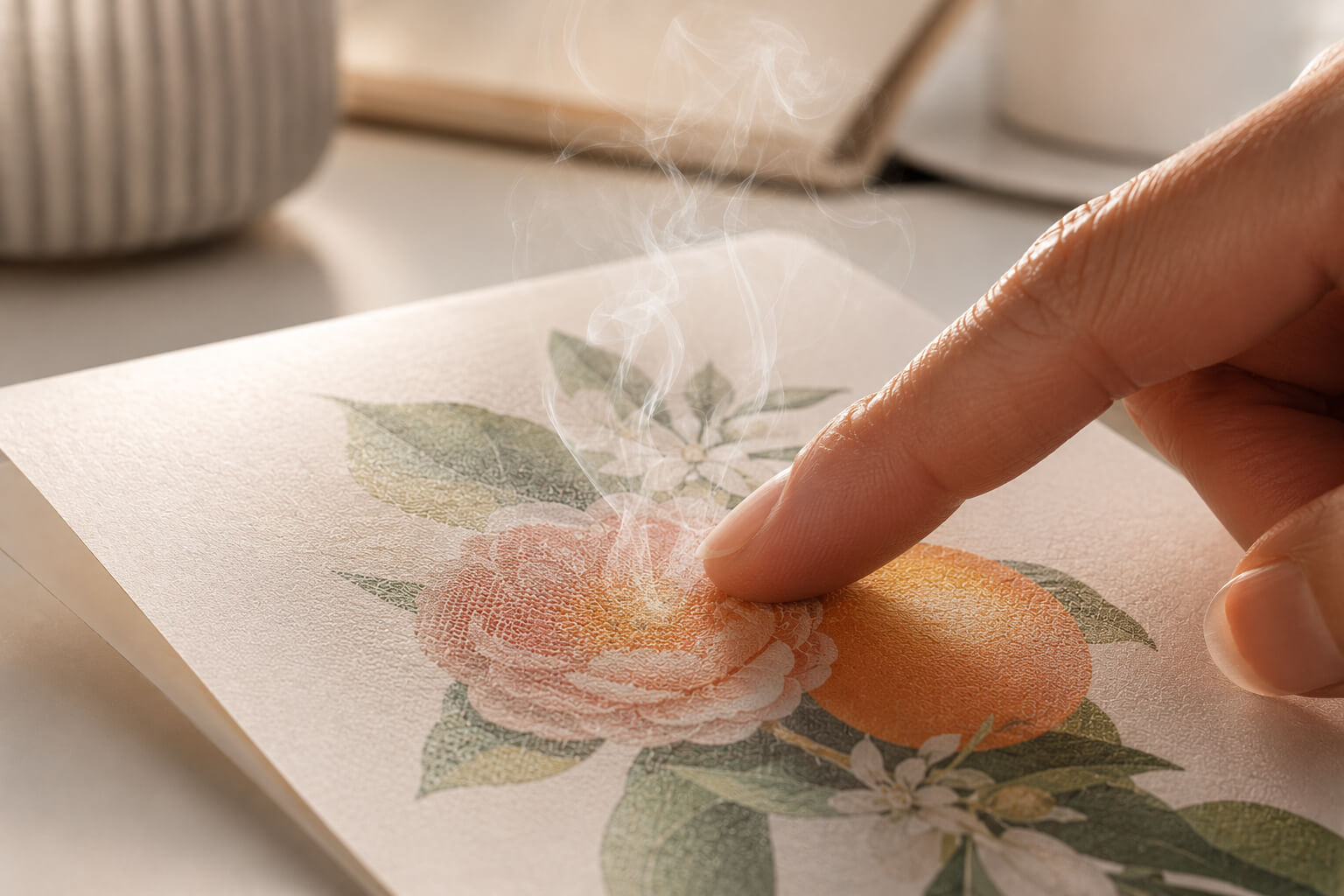
The scented microcapsules remain stable during printing and drying, preserving the integrity of the fragrance. Release occurs through mechanical action (friction, pressure), ensuring a persistent yet non-invasive scent.
The fragrance does not disperse spontaneously over time, but is released in a controlled and repeatable manner with each activation. The olfactory life is extraordinarily long.

Release mechanism and duration
Unlike fragrances applied in free form, which evaporate rapidly, scented microcapsules protect the fragrance within a polymeric shell that breaks only under direct mechanical action. Each friction or pressure breaks a small proportion of the microcapsules present on the surface, releasing a controlled amount of fragrance.
Since there are thousands of microcapsules per square centimetre on the printed surface, the number of possible activations before exhaustion is very high and cannot be precisely defined. In practical terms, samples of printed materials produced with this technology retain olfactory traces even years after printing.
Technical Advantages
-
Fragrance protection
The polymeric shell isolates the fragrance from light, oxygen and heat, preventing spontaneous evaporation. -
Extraordinary olfactory duration
Thanks to the protection of the microcapsules, the fragrance is preserved for years. -
Controlled and repeatable release
The fragrance is released only through mechanical action, ensuring a repeatable olfactory experience. -
Stability during printing
The microcapsules withstand the mechanical and thermal stress of the printing and drying process. -
Multisensory experience
The combination of visual stimulus and olfactory release creates a more engaging and memorable communication experience.
Printing compatibility and substrates
-
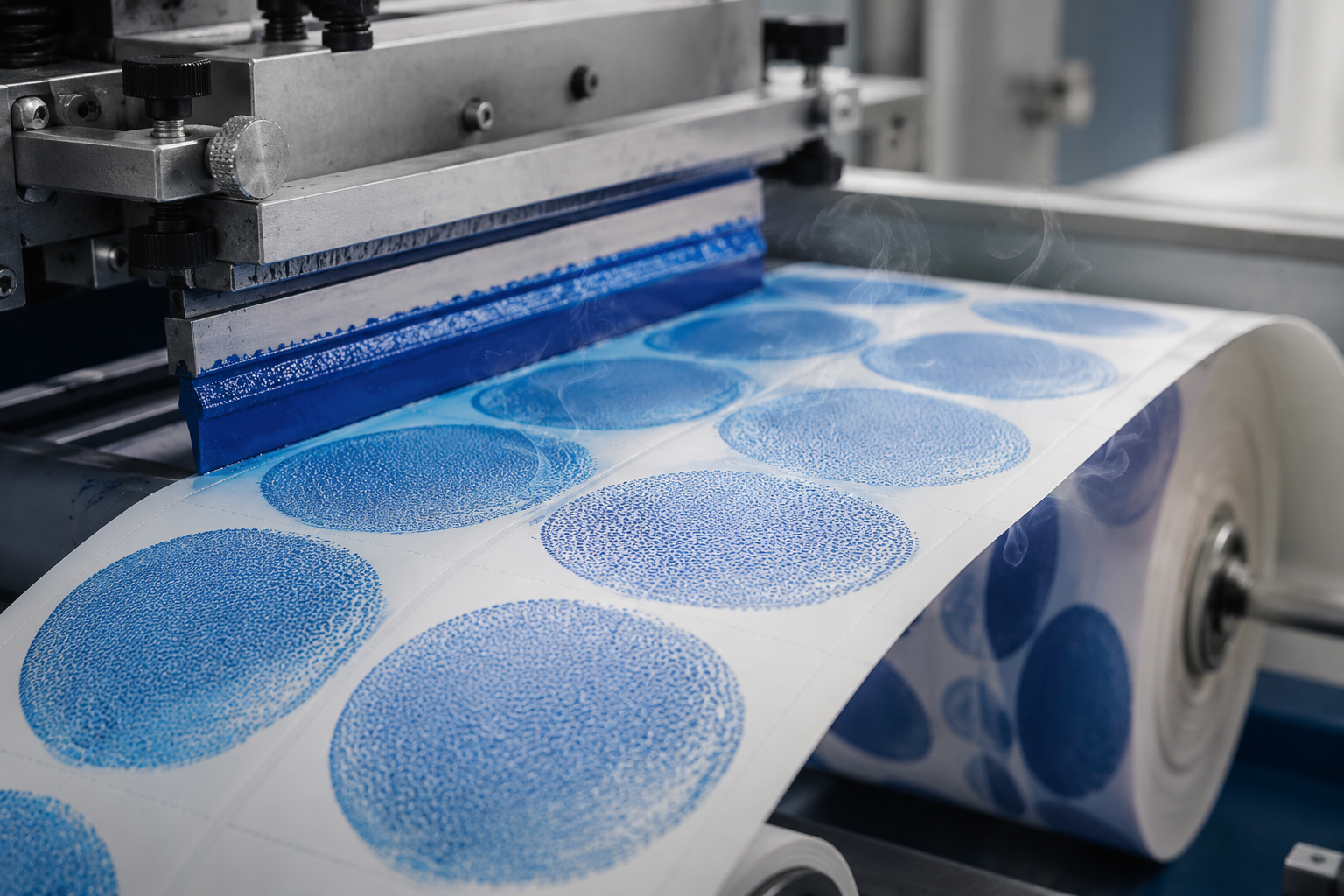
Screen printing
The preferred technique, it allows thicker layers to be deposited with a higher density of microcapsules per unit of surface area, maximising olfactory performance. -
Flexography
Compatible, suitable for high-volume production; requires careful pressure control to preserve the integrity of the capsules.
Available fragrances and customisation
Applications
-
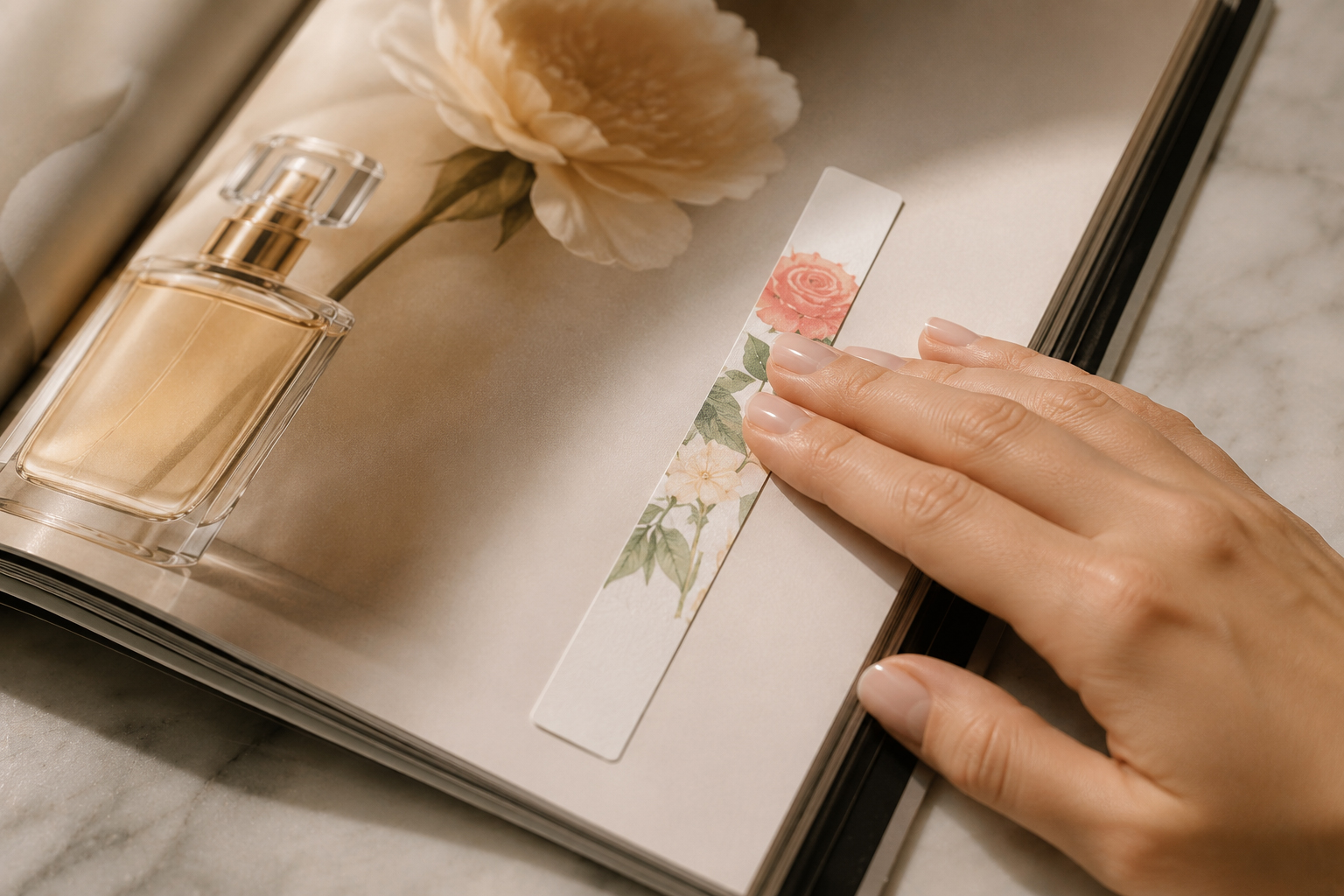
Product labels and emotional packaging
• Product labels (cosmetics, food, detergency, fashion)
• Emotional packaging for premium and gift products -
Promotional materials and sensory marketing
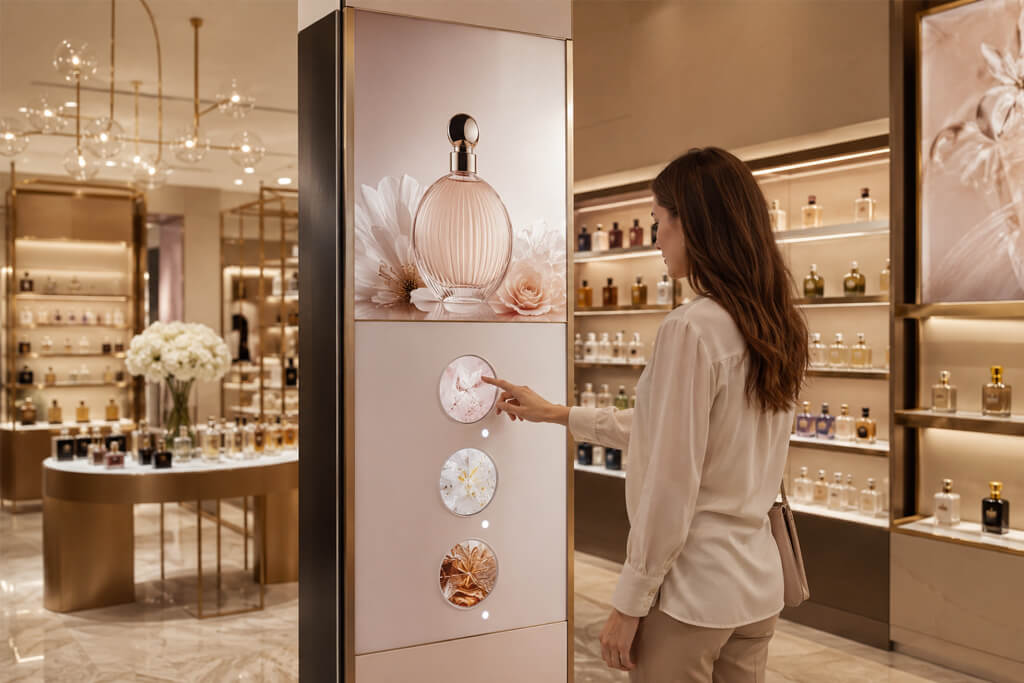
• Scented cards and promotional mailings
• Advertising prints and marketing campaigns
• Sensory brochures and leaflets for product launches
• Point of sale materials (POP, display) -
Publishing and creative products
• Illustrated books and children's picture books with interactive olfactory elements
• Greeting cards and scented postcards
Scented Ink Application Examples
FAQ — Microencapsulated Scented Inks
How do microencapsulated scented inks work?
The microcapsules contain the fragrance protected within a polymeric shell. During printing, the microcapsules are deposited onto the substrate and remain intact. The fragrance is released only when the user rubs or presses the printed material, mechanically breaking a proportion of the microcapsules present on the surface. The fragrance does not disperse spontaneously.
How many times can the fragrance be activated before it runs out?
It is not possible to define a precise number of activations: there are thousands of microcapsules per square centimetre on the printed surface, and each friction breaks only a proportion of them. In practical terms, the fragrance remains perceptible for a very long time — samples of printed materials produced with this technology retain olfactory traces even years after printing.
What is the difference compared to a fragrance applied in free form?
A free fragrance evaporates rapidly and normally runs out within a few days or weeks. The microcapsules protect the fragrance from oxygen, light and heat, preventing spontaneous evaporation. The fragrance is preserved intact until the moment of mechanical activation, ensuring an enormously superior olfactory duration.
Which printing techniques are compatible?
Microencapsulated scented inks are compatible with screen printing and flexography. Screen printing is the preferred technique as it allows thicker layers to be deposited with a higher density of microcapsules per unit of surface area, maximising olfactory performance. Flexography is suitable for high-volume production.
Which substrates can be printed on?
Compatible substrates include paper and cardboard (including coated), plastic materials (PET, PP), self-adhesive labels and other printable substrates.
Which fragrances are available?
IPS has an extensive library of tested and validated fragrances, divided into olfactory families: fruity (lemon, orange, apple, peach, coconut…), floral (rose, lavender, jasmine…), herbal and aromatic (mint, eucalyptus, rosemary…), spicy (cinnamon, vanilla, ginger…), woody and musky (sandalwood, pine, white musk…), gourmand (coffee, chocolate, hazelnut…), fresh and clean (talc, marseille soap…).
Is it possible to microencapsulate a fragrance supplied by the client?
Yes, the microencapsulation of fragrances supplied directly by the client can be evaluated. Every new fragrance is subjected to compatibility testing with the microencapsulation process before use in production.
Does the fragrance withstand high temperatures during printing and drying?
Yes, the microcapsules are designed to withstand the thermal stress of the printing and drying process, preserving the fragrance intact until the moment of activation by the end user.
What olfactory intensity does the user perceive?
The intensity depends on the density of microcapsules deposited on the surface (linked to the printing technique and the layer thickness), the chosen fragrance and the intensity of friction. In general, the effect is perceptible and immediate, but non-invasive: the fragrance does not diffuse into the environment without mechanical activation.
Which sectors are scented inks most suitable for?
The main applications include: scented labels for cosmetics, fragrances, detergency and food; scented cards and promotional mailings; emotional packaging; point of sale materials (POP, display); sensory brochures and leaflets; children's publishing and recreational products.
How can I request samples or initiate a technical evaluation?
To request samples or initiate an evaluation, please fill in the contact form or contact the IPS team directly. For custom fragrances or special applications, IPS follows a dedicated development process.
- IPS Products
- New Project Development
- Analysis of raw materials
- Definition of the microencapsulation strategy
- Experimentation and Prototyping
- Optimization of the process and industrialization
- Microencapsulable Fragrances
If the fragrance is not listed, please fill out the form to request more information.
List of Microencapsulated Fragrances (tested)
- FRUITY
Apricot
Pineapple
Watermelon
Sweet Orange
Banana
Citron
Cherry
Coconut
Lemon
Mandarin
Apple
Pear
Peach
Grapefruit
- FLORAL
Chamomile
Orange Blossom
Wildflowers
Jasmine
Lavender
Rose
Violet
- HERBACEOUS AND AROMATIC
Eucalyptus
Mint
Myrtle
Oregano
Rosemary
Green Tea
- SPICY
Star Anise
Cinnamon
Licorice
Vanilla
Ginger
- WOODY AND MUSKY
Pine
Sandalwood
Tobacco
- GOURMAND
Coffee
Cappuccino
Chocolate
Bitter Almond
Hazelnut
- FRESH AND CLEAN
Talcum Powder
- If the fragrance you're interested in isn't listed, fill out the form to request more information.
- Request Information
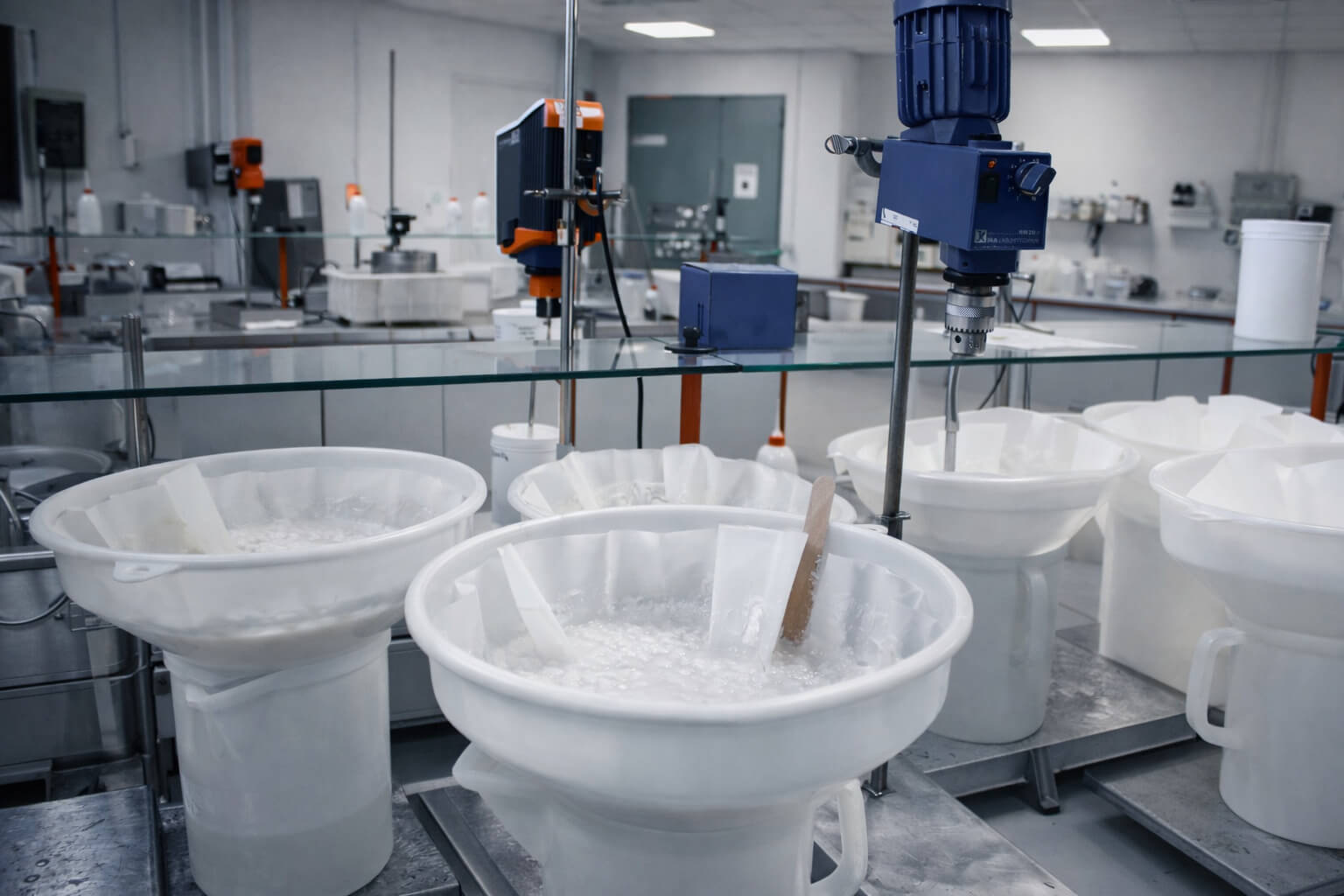
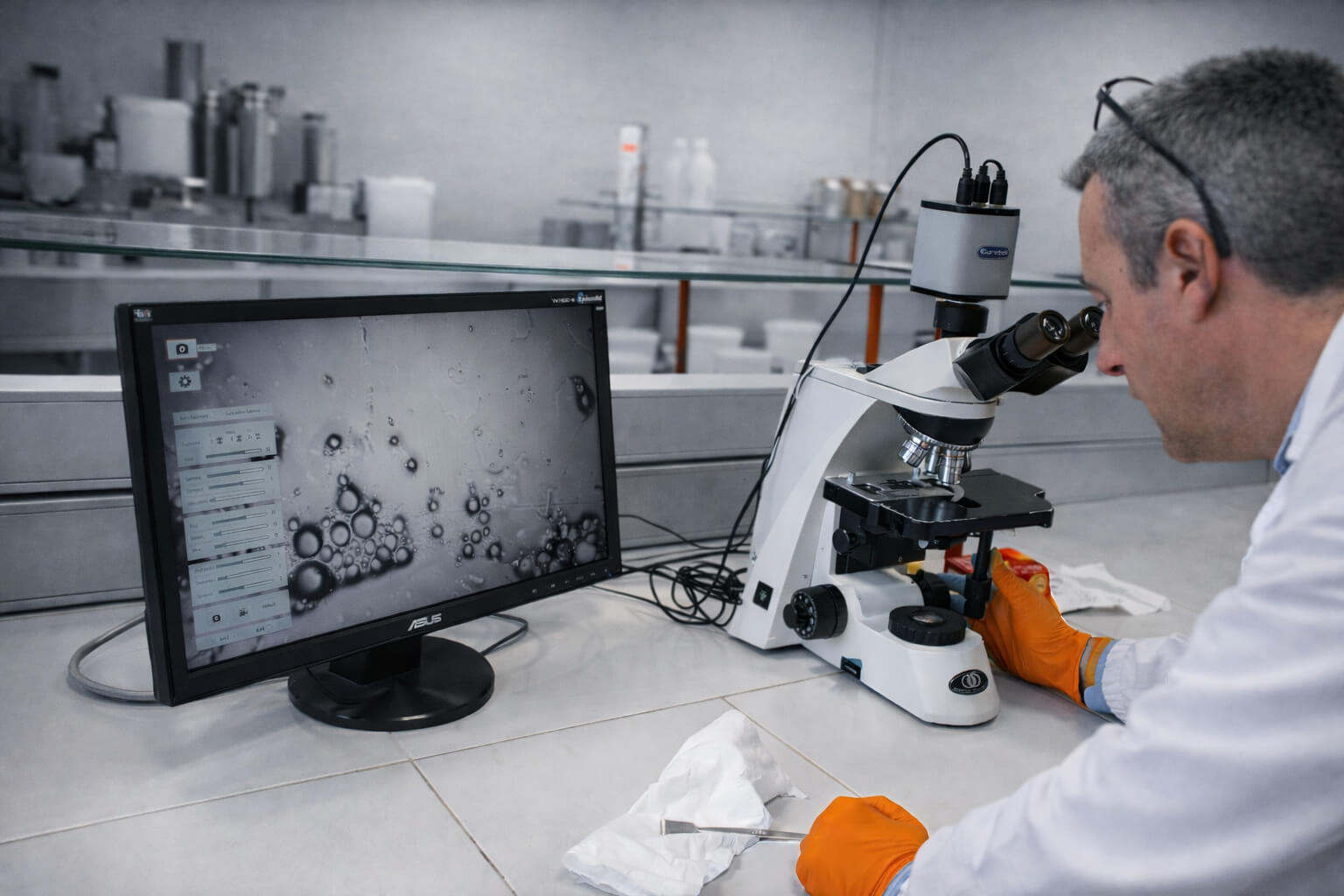
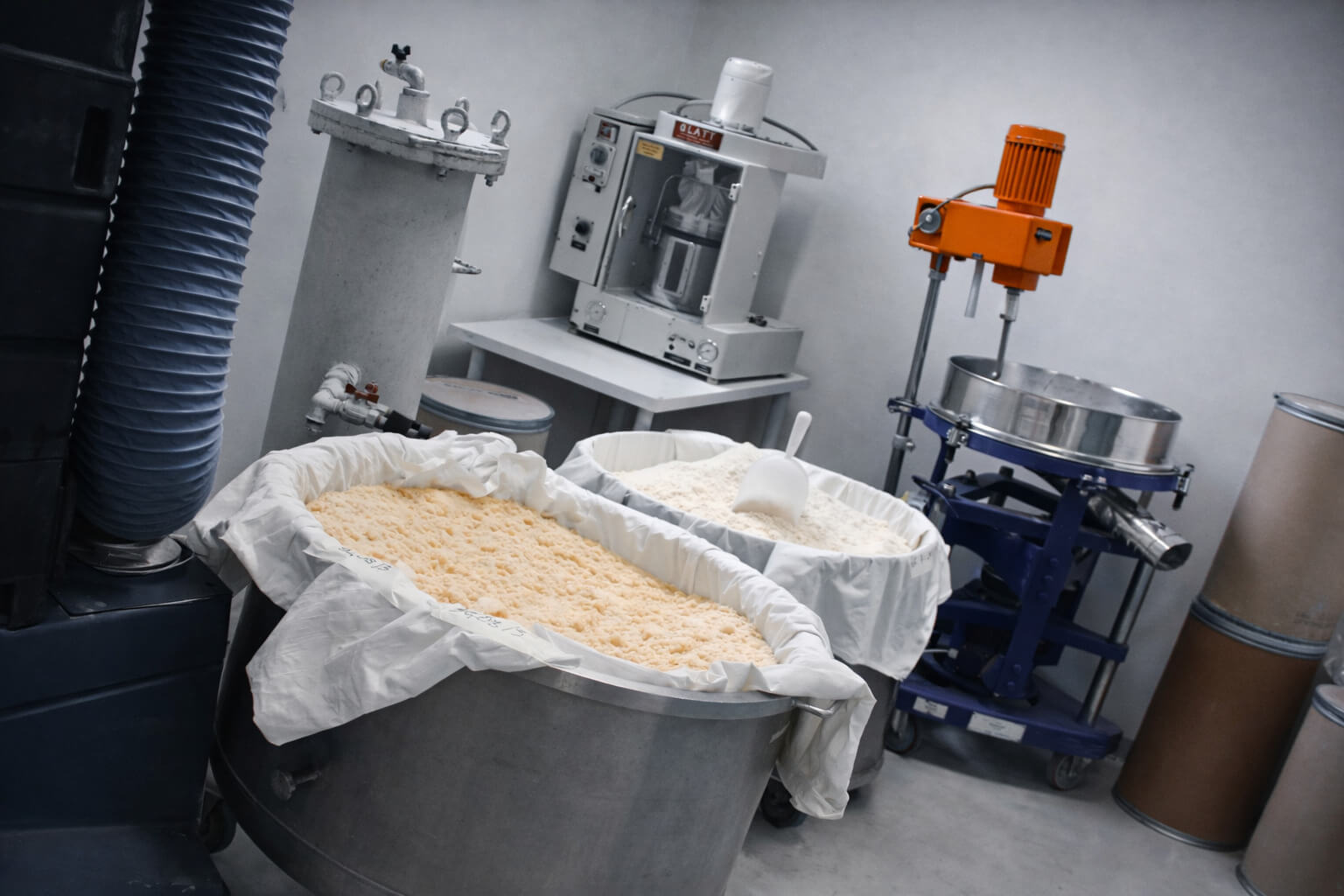
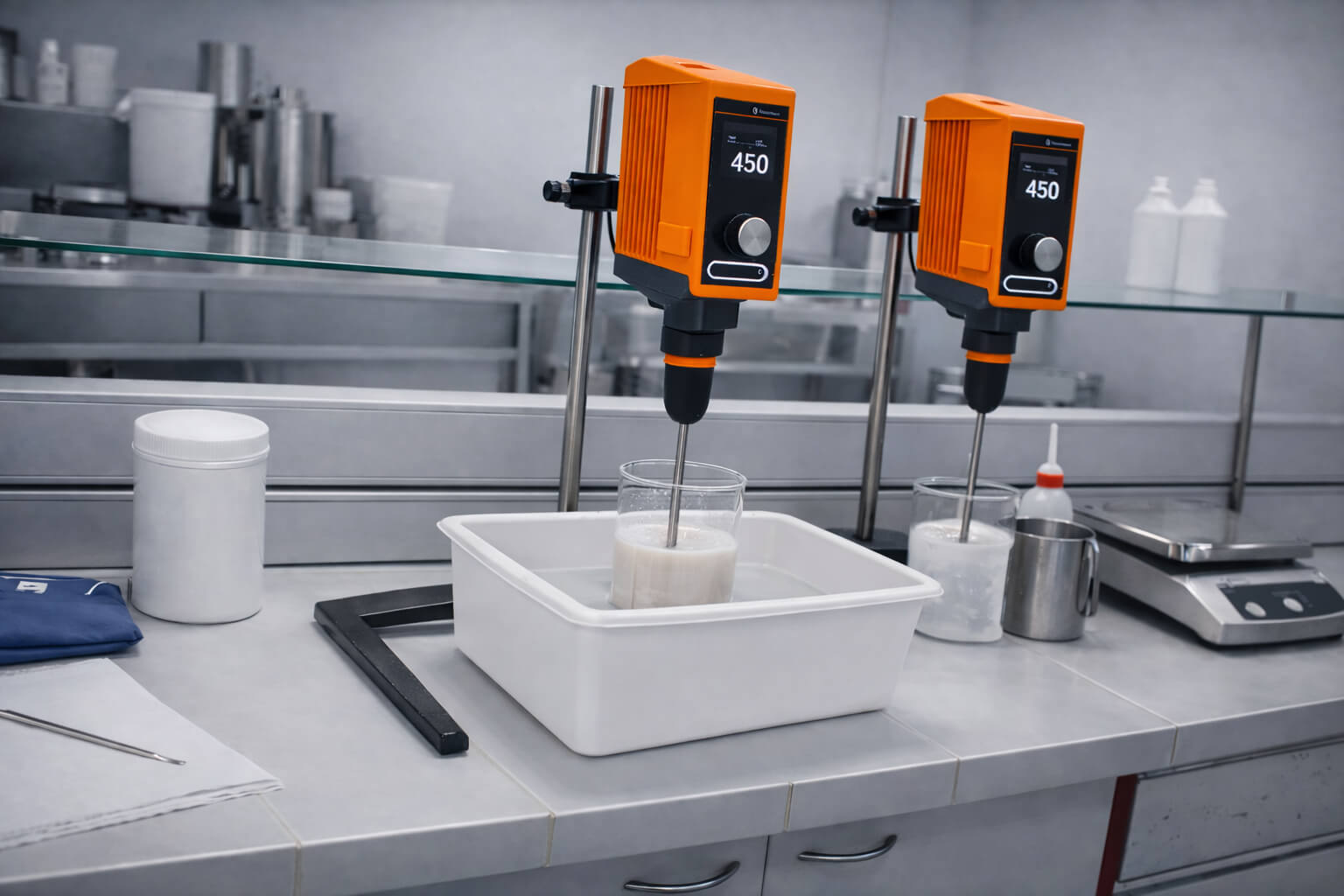
- 100% Italian Quality and Technology
Do you have a
microencapsulation project?
Fill out the form to receive more information or to be contacted by our team.









Pages
Legal menu
Contacts
I.P.S. International Products & Services s.r.l.
Address
Via Civesio, 6
20097 San Donato Milanese (MI) – Italy
E- Mail
[email protected]
Phone
+39 02.527.9641
VAT IT02826140150