
Capsular Ink
Functional printing solution with microencapsulated inks, applicable to multiple substrates and activated by external stimuli.
Capsular Ink is a line of microencapsulated inks developed by IPS for functional printing applications. Unlike traditional inks, whose purpose is exclusively visual, inks with microcapsules incorporate particles containing active substances — fragrances, photochromic pigments, thermochromic pigments, liquid crystals — protected within a polymeric shell.
During the printing process, the microcapsules are deposited onto the substrate together with the ink vehicle. The functional effect is activated only when a specific external stimulus intervenes: heat, UV light, pressure or friction. In response to this stimulus, the microcapsule can break — releasing its contents — or modify its optical properties without breaking, creating dynamic and reversible visual effects.
This mechanism transforms print into an interactive and sensory interface, opening up application possibilities that go far beyond traditional visual communication.
Difference from traditional inks
| Traditional inks |
Inks with microcapsules (Capsular Ink) |
|
|---|---|---|
| Function | Visual only | Visual + sensory / interactive |
| User interaction | Passive | Reactive (light, temperature, contact) |
| Marketing value | Standard | High experiential impact |
Compatible printing technologies
Capsular Ink is a line of microencapsulated inks developed by IPS for functional printing applications.
-
Screen printing
It is the most suitable technique for inks with microcapsules. It allows thicker ink layers to be deposited, reducing mechanical stress on the capsules and ensuring greater sensory performance. -
Flexography
Widely used for high-volume production. It is compatible with Capsular Ink, but requires careful control of printing pressure and speed to avoid premature breaking of the microcapsules.
Capsular Ink can be applied to a variety of substrates: Paper and cardboard (including coated); Plastic materials: PET, PP, PE; Self-adhesive labels; Textile materials
Target audience
- Packaging manufacturers
-
Promotion and marketing companies
Promotional cards, POP materials, experiential campaigns - Labels manufacturers for consumer products
- Publishing, educational and recreational products
- Anti-counterfeiting and document security sector
Technical features
-
Content protection
The microcapsules protect the encapsulated materials from degradation or premature reactions, ensuring a longer shelf life. -
Trigger-activated functionality
The microcapsules can be designed to respond to specific external stimuli, such as temperature, UV rays, pressure or others. -
Stability and homogeneity
Capsular Ink maintains a stable dispersion of the microcapsules, ensuring uniform distribution throughout the printing process.
Capsular Ink variants
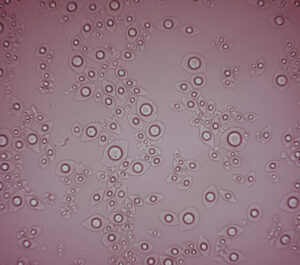
Scented
Inks
For sensory printing, with controlled release and long-lasting fragrance
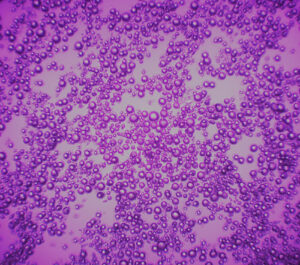
Photosensitive
Inks
They react to UV rays with reversible and controlled chromatic changes
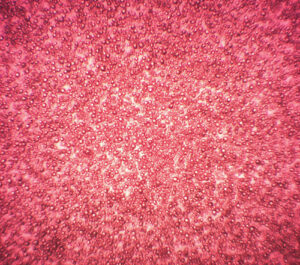
Thermosensitive
Inks
They react to temperature variations with reversible and controlled visual effects
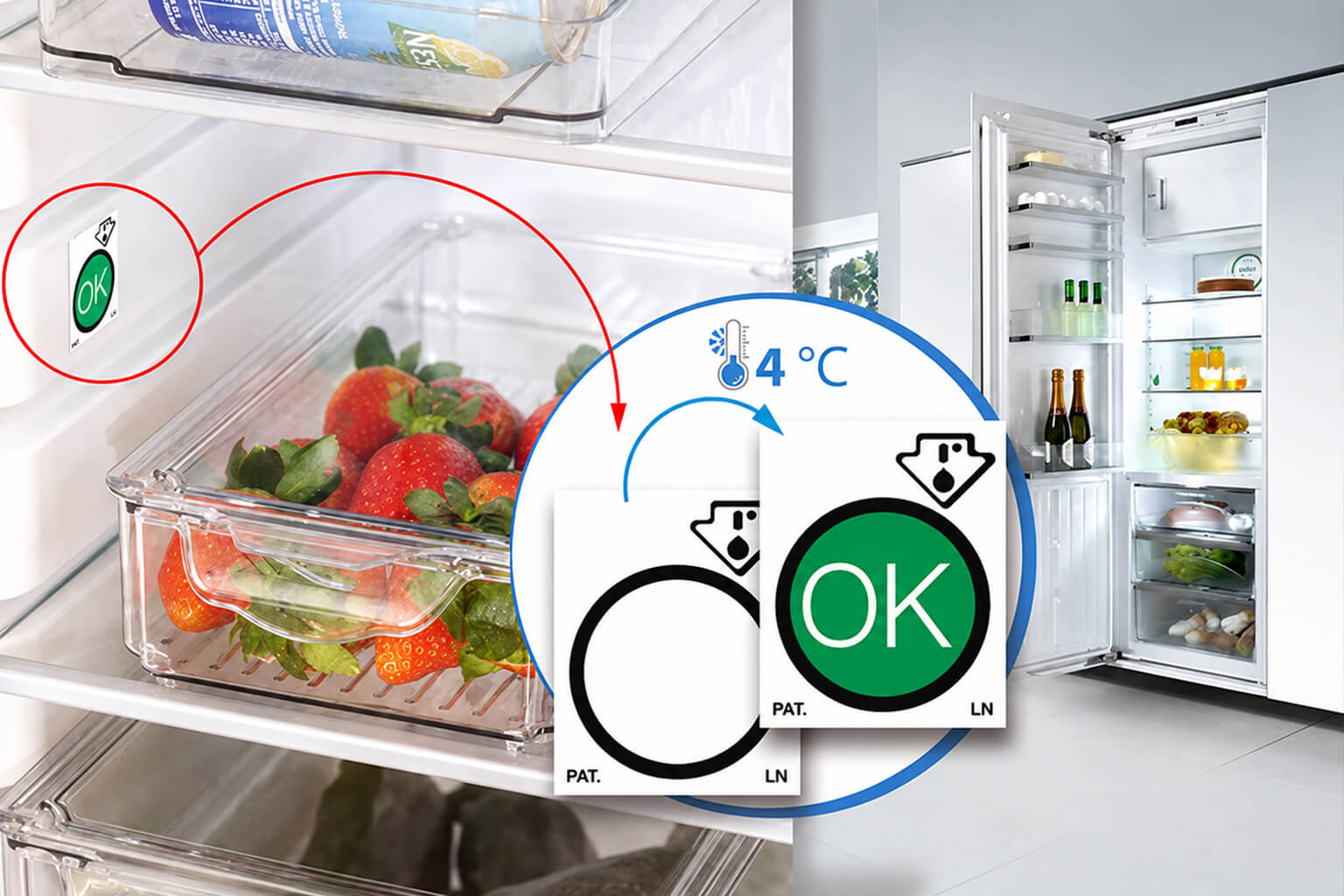
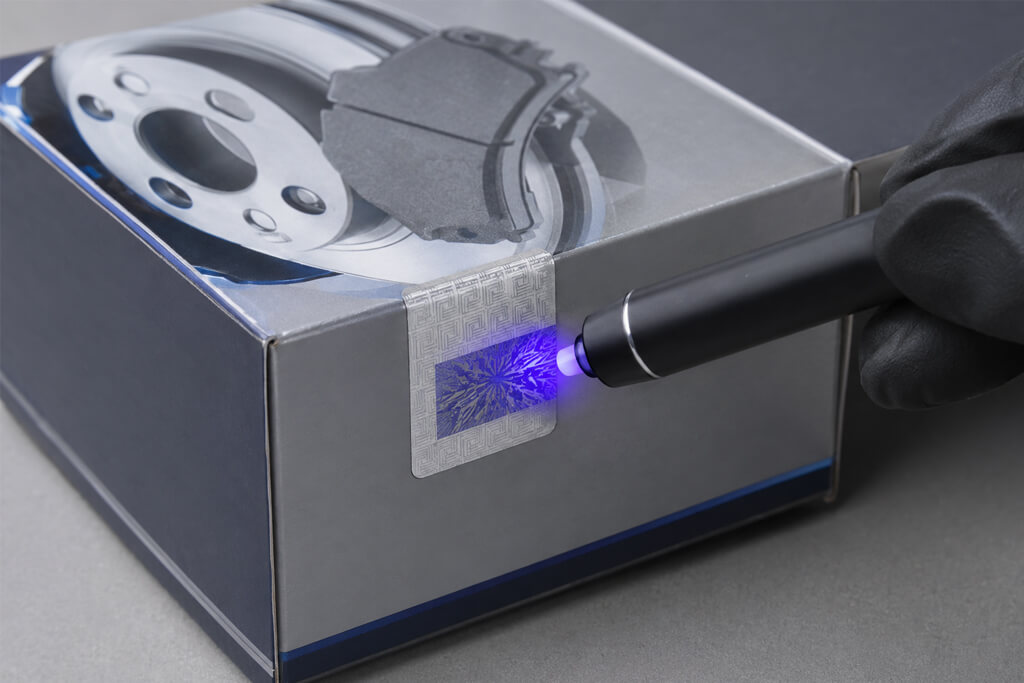
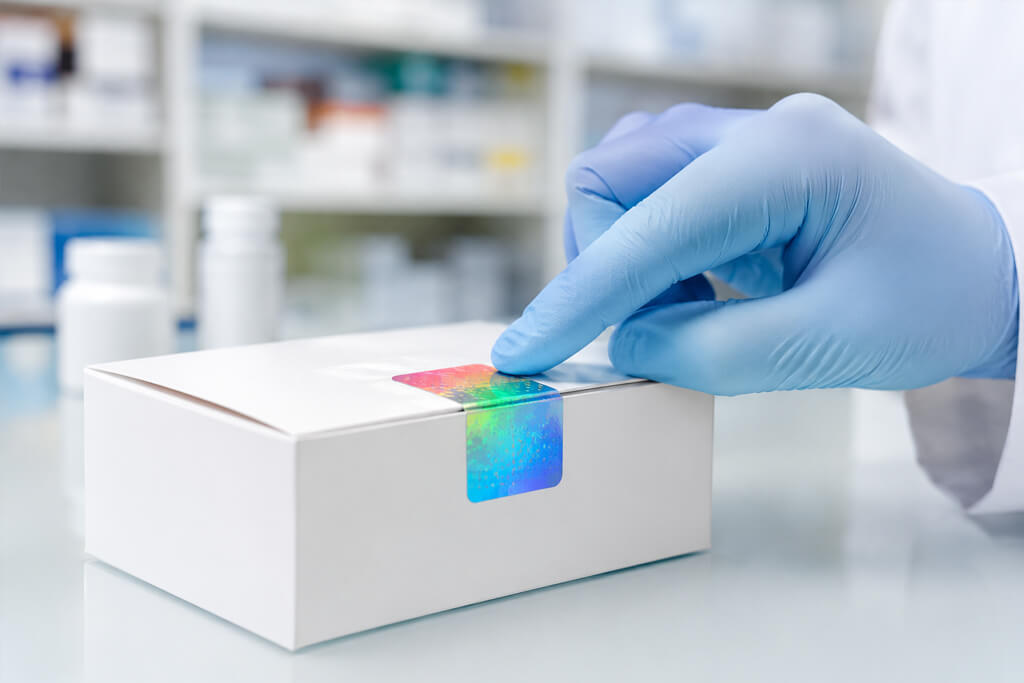
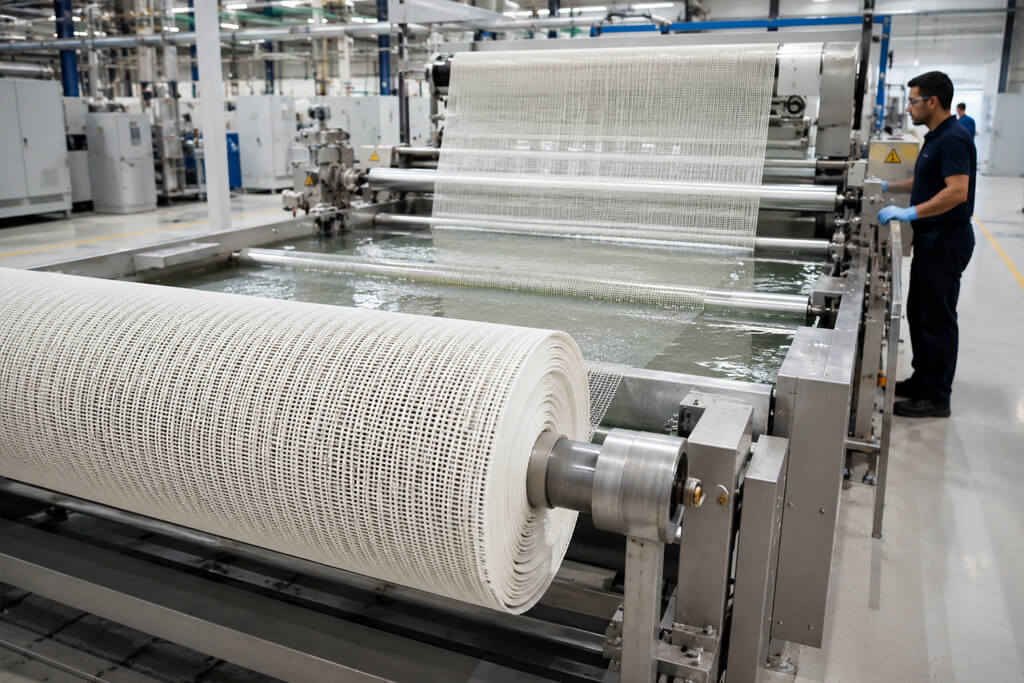
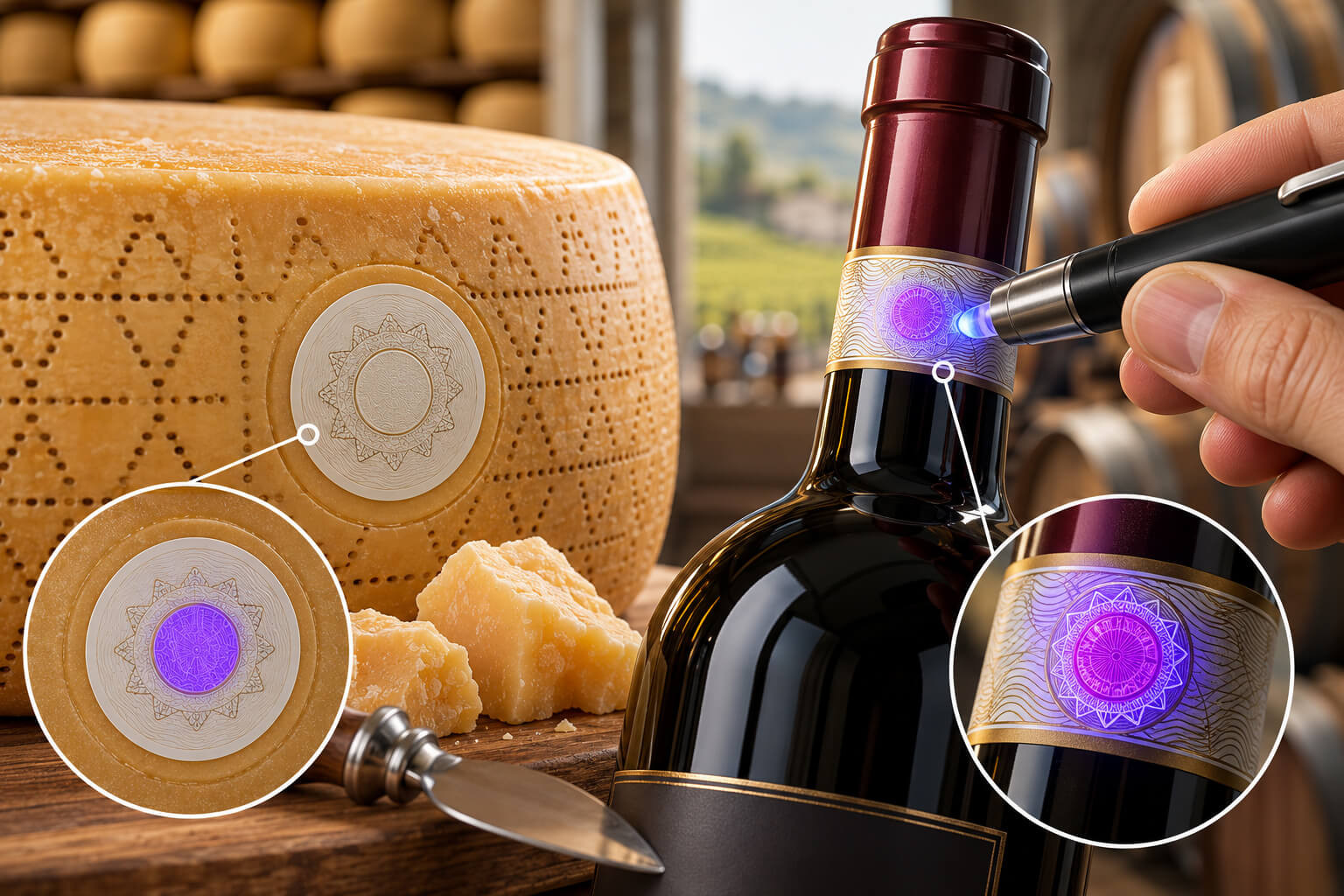
IPS Capsular Ink Application Examples



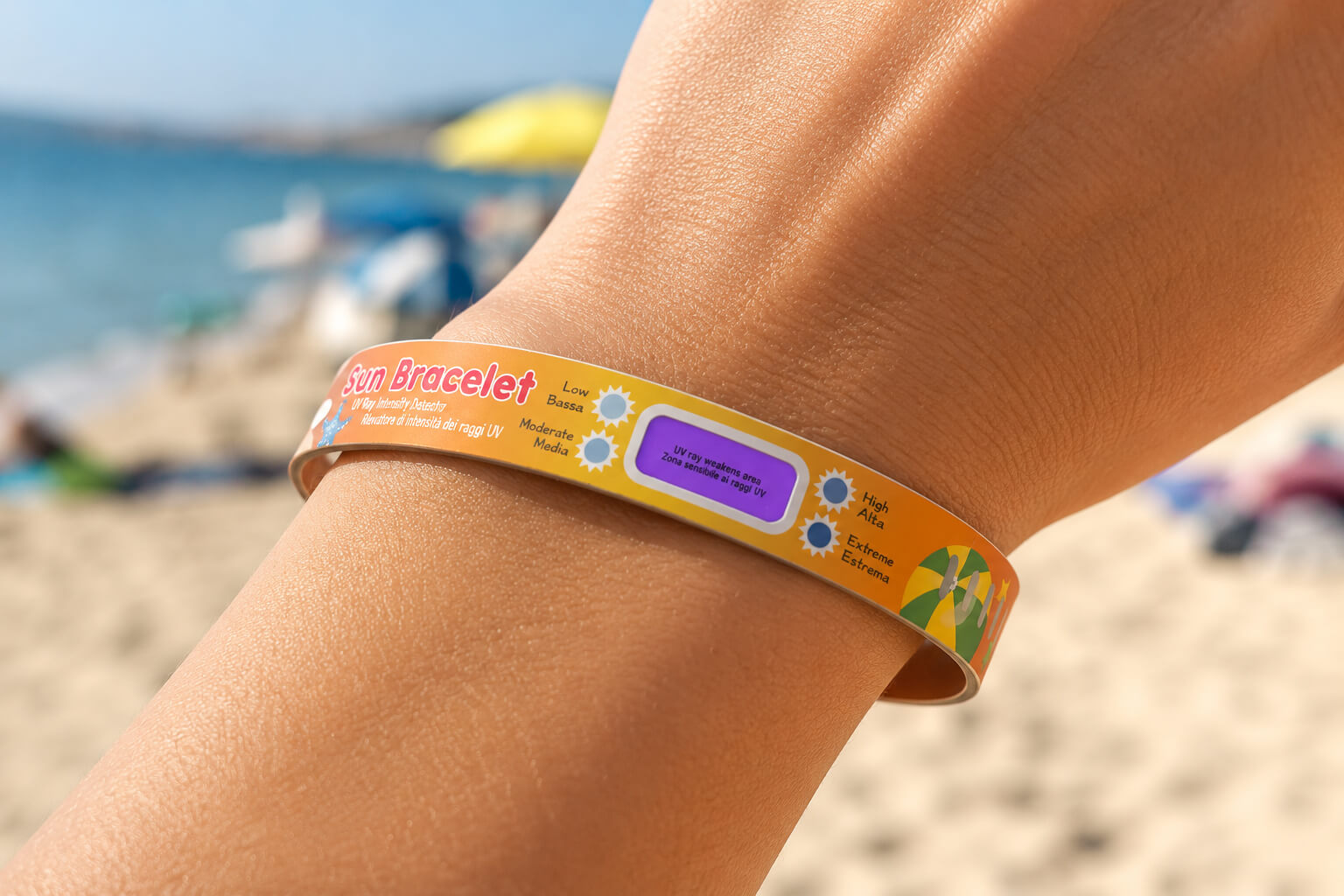
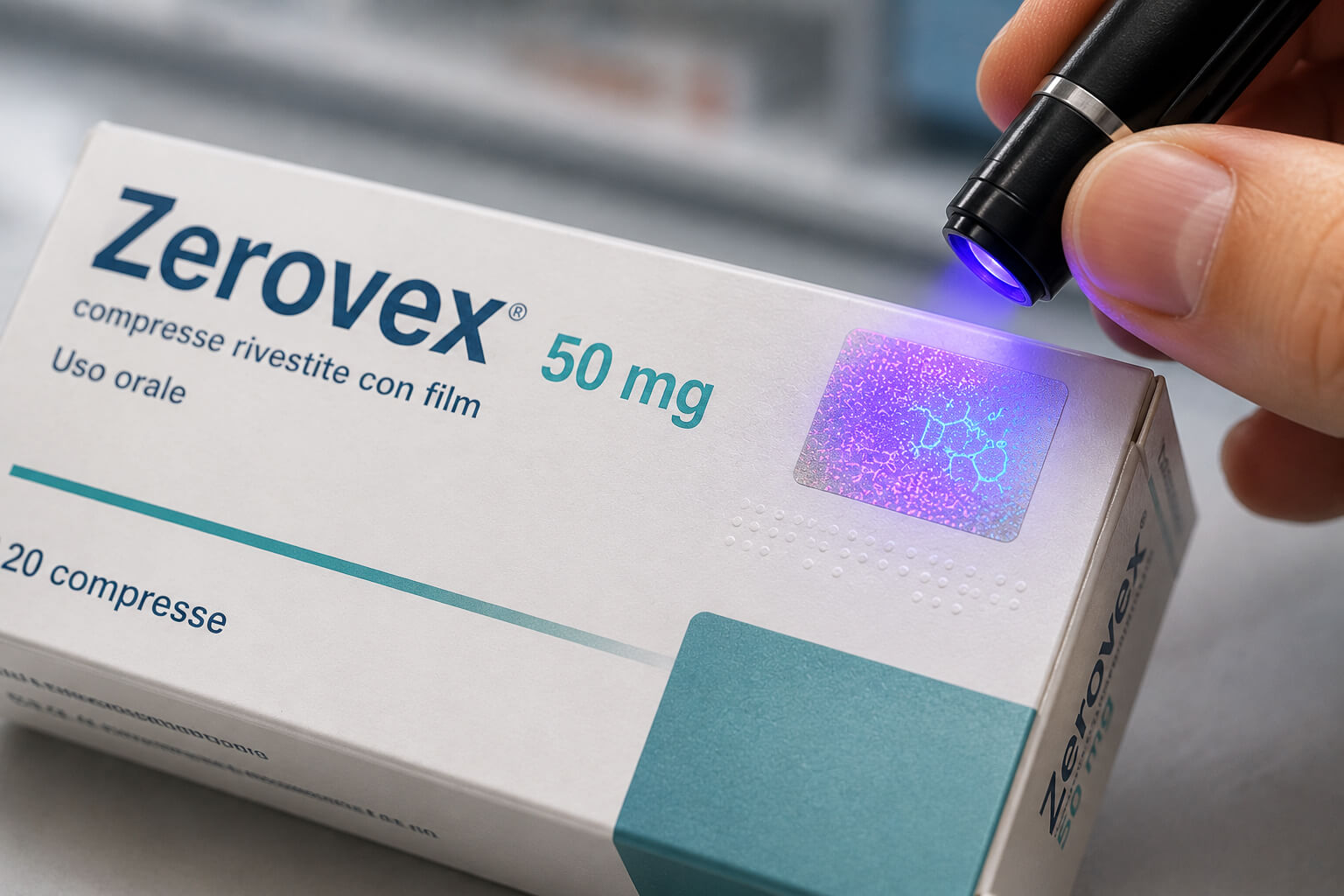

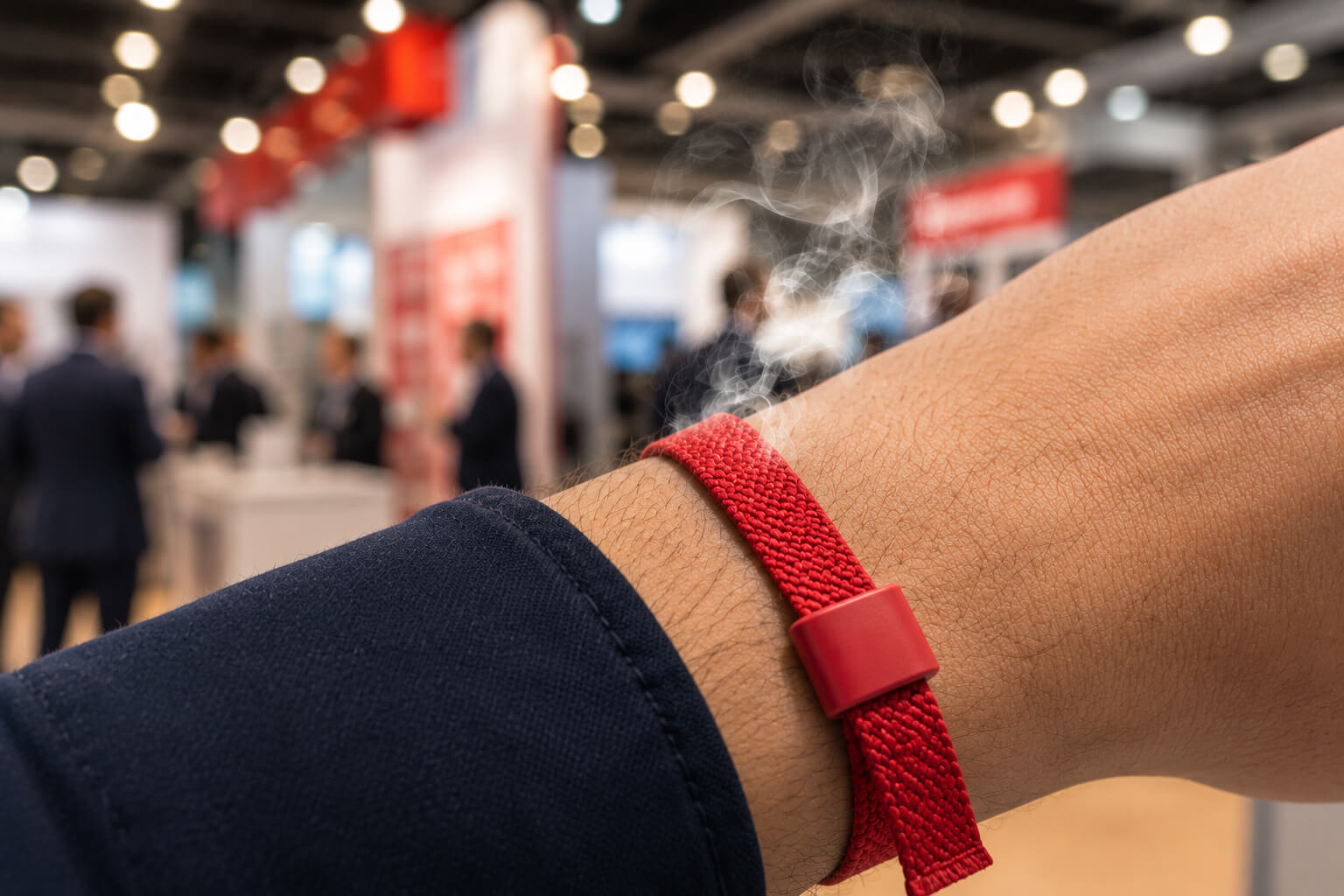
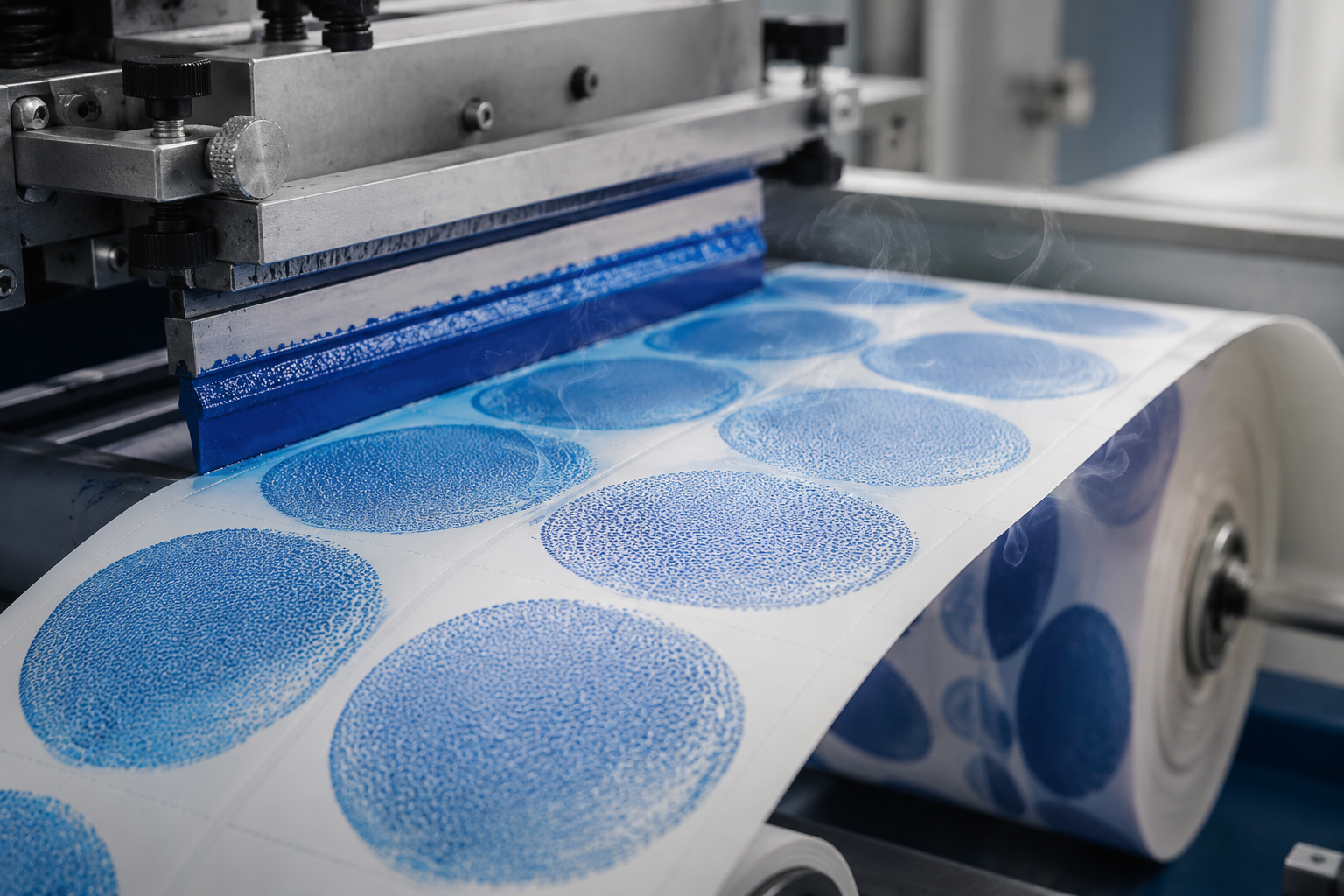
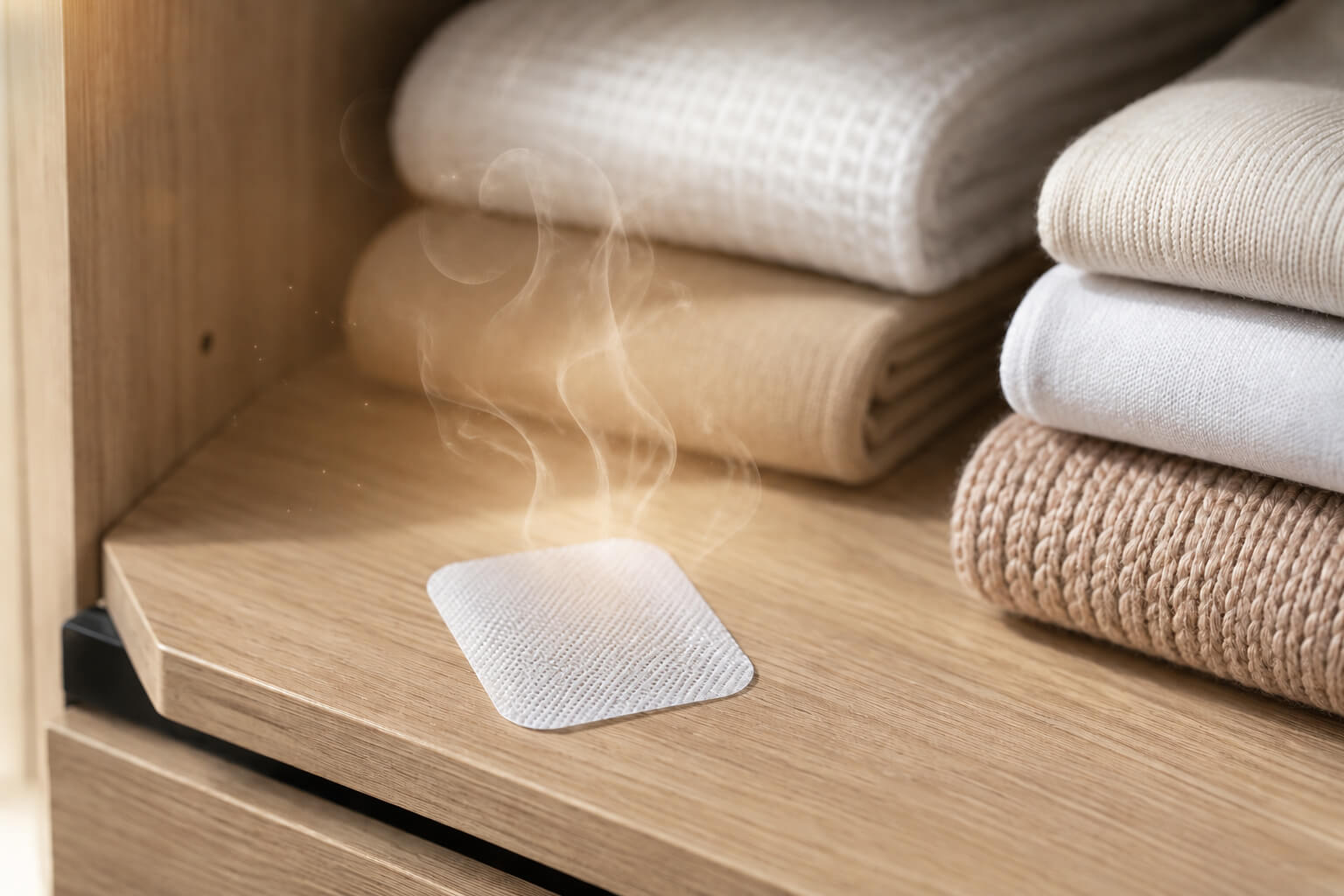
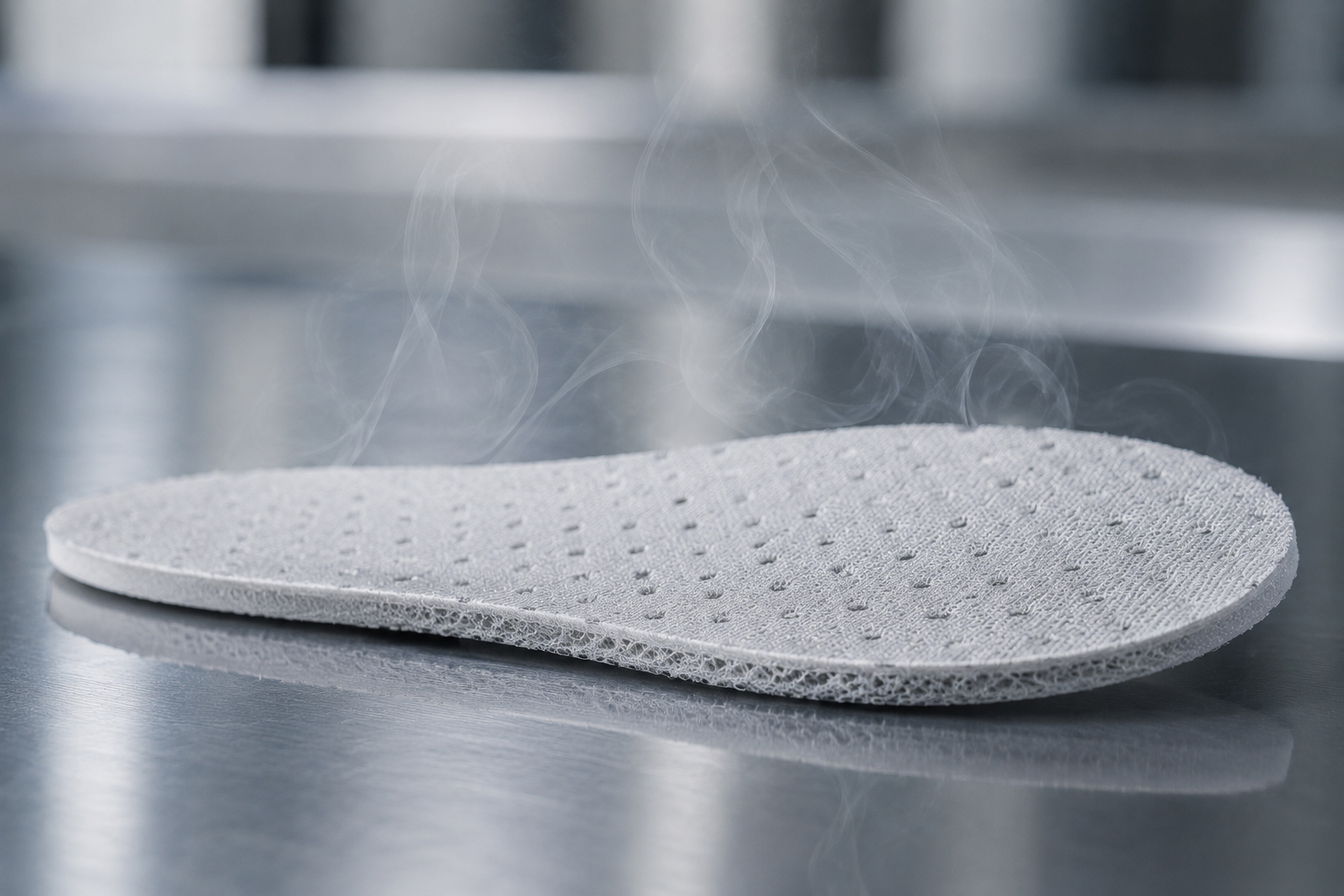
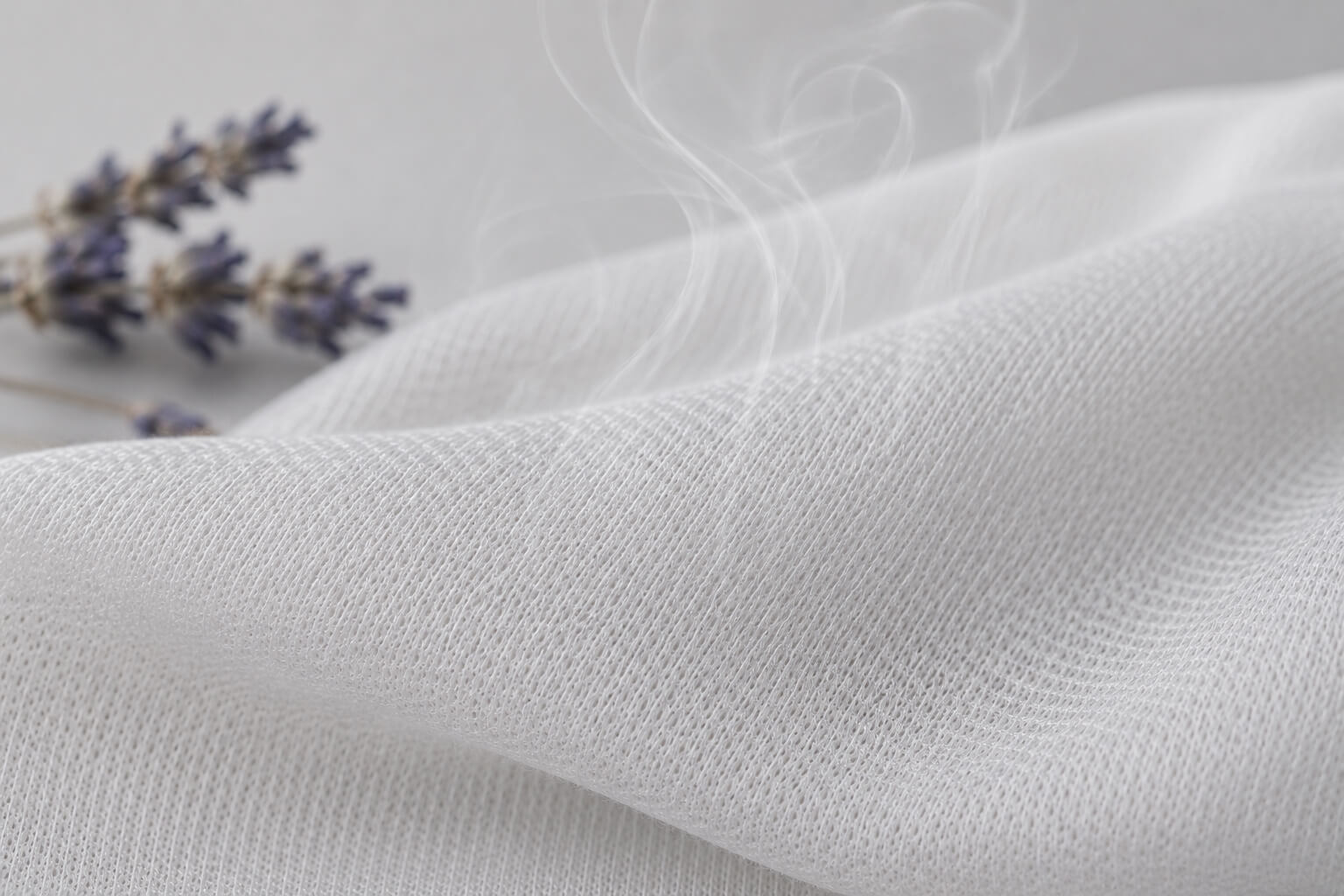
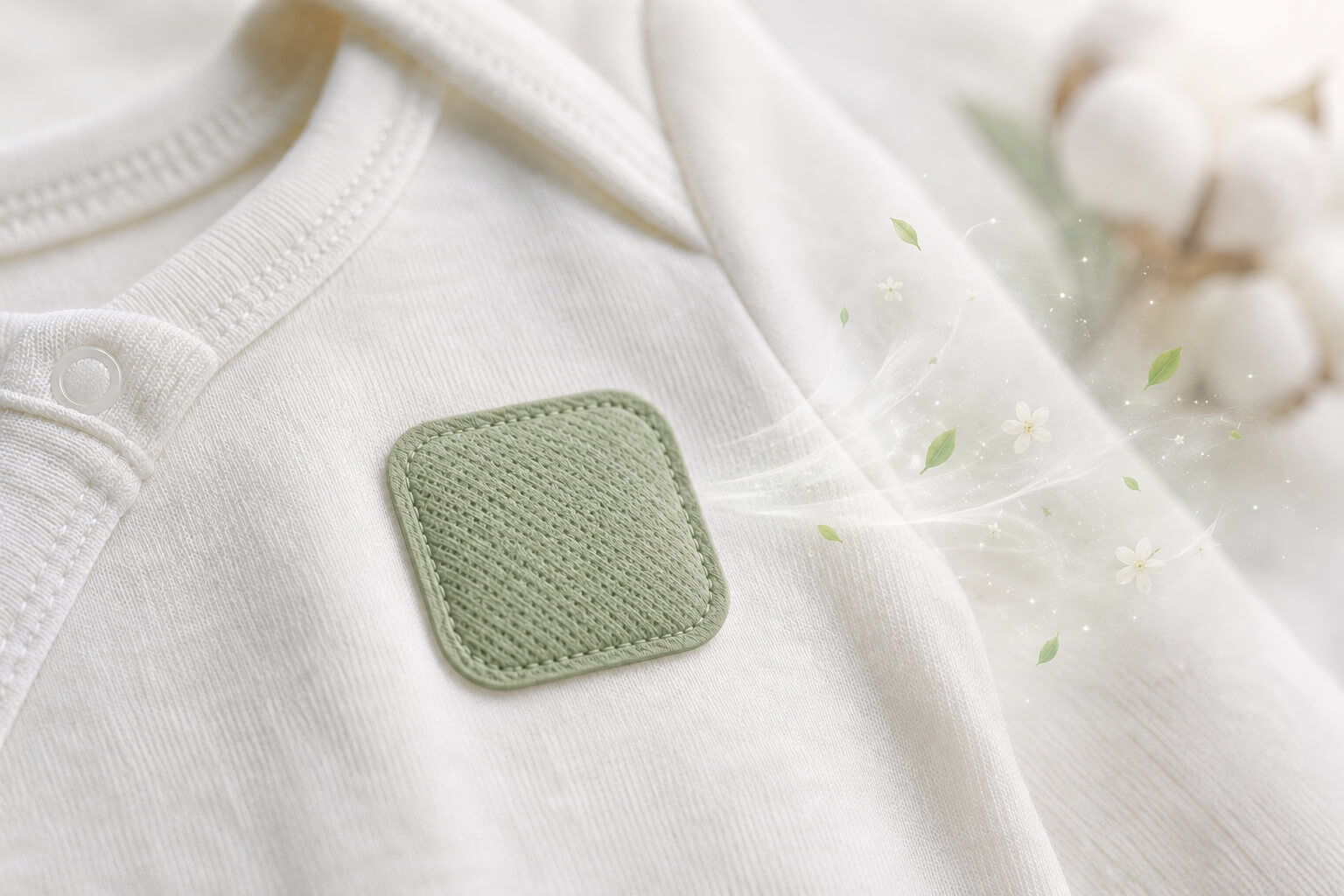
FAQ — Capsular Ink
What is Capsular Ink and how does it differ from a traditional ink?
Capsular Ink is a line of inks that incorporate microcapsules containing active substances (fragrances, photochromic pigments, thermochromic pigments, liquid crystals). Unlike a traditional ink, whose purpose is exclusively visual, Capsular Ink also performs an additional function that is activated in response to an external stimulus — heat, UV light, friction or pressure. The result is an interactive and sensory print.
What stimuli can activate Capsular Ink?
Depending on the chosen variant, Capsular Ink can respond to:
- UV light / ultraviolet radiation → Photosensitive Inks
- Temperature variations → Thermosensitive Inks with liquid crystals or thermochromic pigments
- Friction or mechanical pressure → Scented Inks
Which printing techniques are compatible with Capsular Ink?
Capsular Ink is compatible with screen printing and flexography.
Screen printing is the preferred technique as it allows thicker layers to be deposited, reduces mechanical stress on the microcapsules and ensures optimal functional performance.
Flexography is compatible for high-volume production, but requires careful control of pressure and speed to preserve the integrity of the capsules.
On which substrates can Capsular Ink be printed?
Capsular Ink can be applied to:
- Paper and cardboard (including coated)
- Plastic materials (PET, PP, PE)
- Self-adhesive labels
- Textile materials
Other substrates can be evaluated upon request → Contacts
Which sectors does Capsular Ink primarily target?
Capsular Ink is aimed primarily at printers who can offer it to their clients in sectors such as:
- Packaging manufacturers → Microencapsulation for Packaging, Art and Design
- Promotion and marketing companies
- Label manufacturers
- Anti-counterfeiting and document security sector
- Publishing and educational products
How many Capsular Ink variants are there?
The Capsular Ink line includes three families:
- Scented Inks: release fragrance through friction or pressure
- Photosensitive Inks: change colour in the presence of UV radiation
- Thermosensitive Inks: react to temperature variations (available in two variants: liquid crystals and thermochromic pigments)
Do the microcapsules degrade during the printing process?
No, provided that the compatible printing techniques (screen printing or flexography) are used with the correct parameters. The microcapsules are designed to withstand the mechanical and thermal stress of the printing and drying process, preserving the active ingredient until the moment of activation by the end user.
Is it possible to combine Capsular Ink with traditional inks in the same print job?
Is it possible to customise the type of fragrance, colour or activation temperature?
Yes, within the available options for each Capsular Ink variant it is possible to choose or customise the fragrance, pigment colour or activation temperature. For specific requirements not covered by the standard offering, IPS provides a dedicated development and prototyping service → Learn more
Is Capsular Ink suitable for anti-counterfeiting applications?
Yes, microencapsulated thermosensitive or photosensitive inks can be used in security printing applications. The immediate and verifiable visual response with a UV source or exposure to reaction temperature is difficult to replicate without access to the original technology, making them suitable for authenticity labels and guarantee seals.
How can I request samples or initiate a technical evaluation?
To request samples, receive further information or initiate a feasibility assessment for a specific application, please fill in the contact form or contact the IPS team directly. For non-standard new applications, IPS follows a structured process → Learn more:
- Analysis of raw materials
- Definition of the microencapsulation strategy
- Testing and prototyping
- Optimisation and industrialisation
- IPS Products
- New Project Development
- Analysis of raw materials
- Definition of the microencapsulation strategy
- Experimentation and Prototyping
- Optimization of the process and industrialization
- Microencapsulable Materials
If the material of interest is not listed, please fill out the form to request more information.
List of Microencapsulated Materials (tested)
- Thermosensitive
Liquid Crystals
Thermochromic Pigments
- Photosensitive
Photochromic Pigments
- If the material of interest is not listed, please fill out the form to request more information.
- Request Information
- 100% Italian Quality and Technology
Do you have a
microencapsulation project?
Fill out the form to receive more information or to be contacted by our team.









Pages
Legal menu
Contacts
I.P.S. International Products & Services s.r.l.
Address
Via Civesio, 6
20097 San Donato Milanese (MI) – Italy
E- Mail
[email protected]
Phone
+39 02.527.9641
VAT IT02826140150