The counterfeiting problem in PDO and PGI products

- DOP and IGP producers (wineries, oil mills, dairies, cured-meat manufacturers) are seeking authentication systems integrated directly into the label or the consortium seal, which do not increase logistical complexity and are perceived by the end consumer as a value-adding feature.
- The R&D departments of agri-food groups are evaluating technologies scalable to industrial print runs (millions of units/year) compatible with existing printing processes, with replicable technical specifications and suppliers able to guarantee production continuity.
- Label printing companies serving the premium agri-food sector are looking for value-adding finishing processes - high-margin services that set them apart from traditional printing - which can be integrated into the screen-printing and flexographic lines already in use.
- Slow verification or impossible without a smartphone and internet connection
- Industrial replicability relatively accessible to organised counterfeiters
- Added as a separate adhesive element, with logistical costs and a perception of artificiality
- Scaling difficulties on high print runs while maintaining competitive unit costs
The IPS solution: thermosensitive and photosensitive Capsular Ink
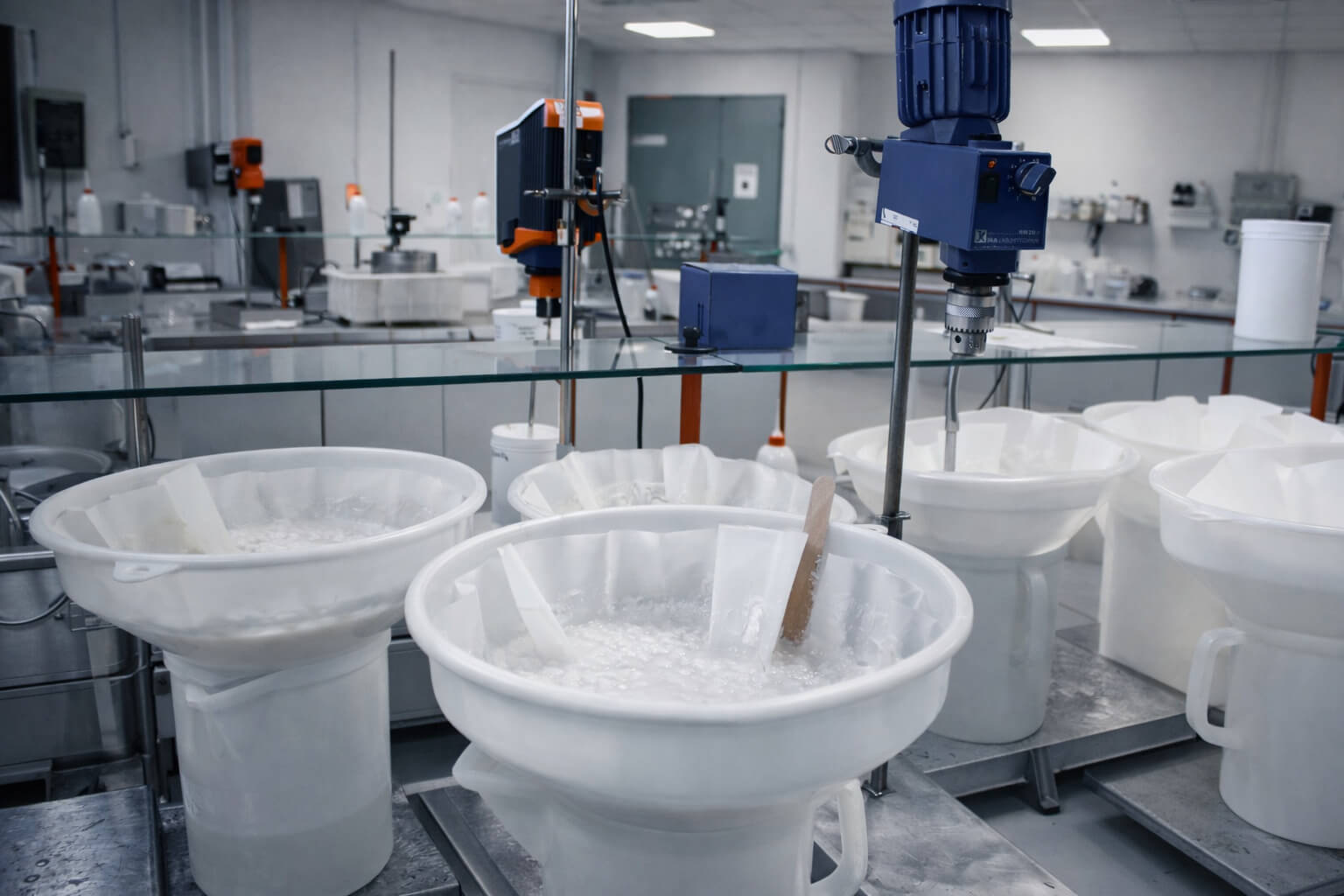
Since the 1990s, IPS Industrial has developed and industrialised a line of functional inks with microencapsulated active ingredients – Capsular Ink – now applicable to the DOP/IGP sector to create anti-counterfeiting labels and seals verifiable within seconds without dedicated devices.
The system is based on two complementary technologies, which can be used individually or in combination to achieve a double security level:
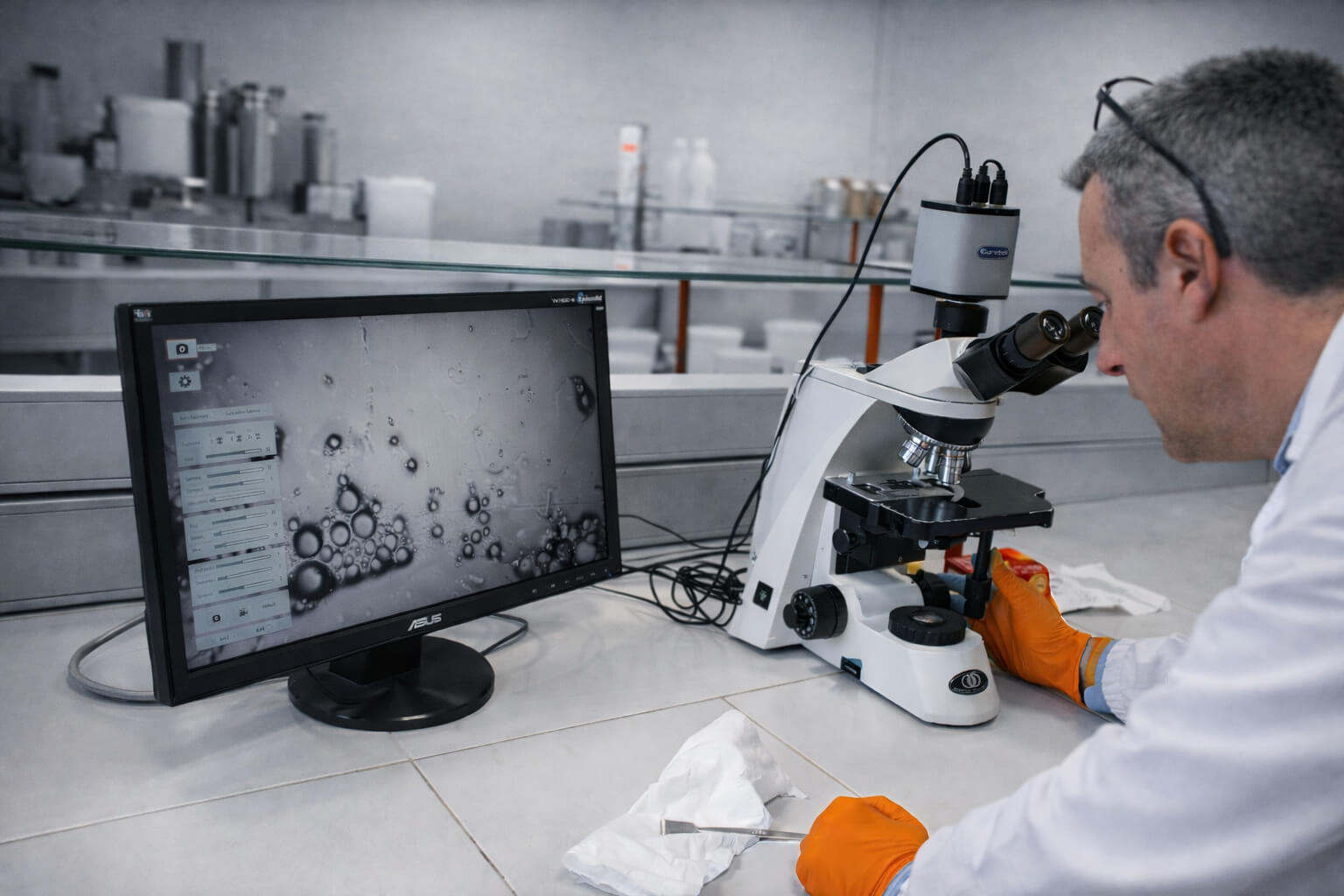
- Thermosensitive inks with microencapsulated liquid crystals contain liquid crystals protected by core-shell microcapsules. The application of localised heat (even just the fingertip of the operator or inspector) activates the unique red → green → blue colour sequence within a thermal range calibrated during formulation - a visual response impossible to replicate without access to the original technology.
- Photosensitive inks contain UV photochromic pigments. Exposure to a UV pen or ultraviolet lamp - standard tools in customs controls, large-scale retail and professional verification contexts - reveals a colouration that spontaneously returns to transparent within a few minutes.
Technical specifications for industrialisation
- Virtually unlimited activation cycles for the end user: the security element remains verifiable throughout the commercial life of the product, with no functional degradation.
- Compatibility with industrial printing processes screen-printing and flexographic, already in use at the sector’s printers – no investment in new equipment, no structural line modifications.
| Thermosensitive liquid crystals | UV photosensitive inks | |
|---|---|---|
| Activation stimulus | Localised heat (defined thermal range) | Ultraviolet radiation (UV pen or lamp) |
| Colour response | Red → green → blue sequence | Transparent → coloured |
| Reversibility | Complete, repeatable cycles | Complete - repeatable cycles |
| Verification tool | Heat source (finger, warm air) | UV pen or ultraviolet lamp |
| Printing techniques | Screen-printing (preferred), flexography | Screen-printing (preferred), flexography |
| Compatible substrates | Paper, cardboard, PET, PP, self-adhesives | Paper, cardboard, PET, PP, self-adhesives |
| Minimum industrial volumes | Compatible with high print runs | Compatible with high print runs |
| Replication difficulty | High - defined thermal range | High - dedicated functional UV formulation |
Integration into the industrial printing process
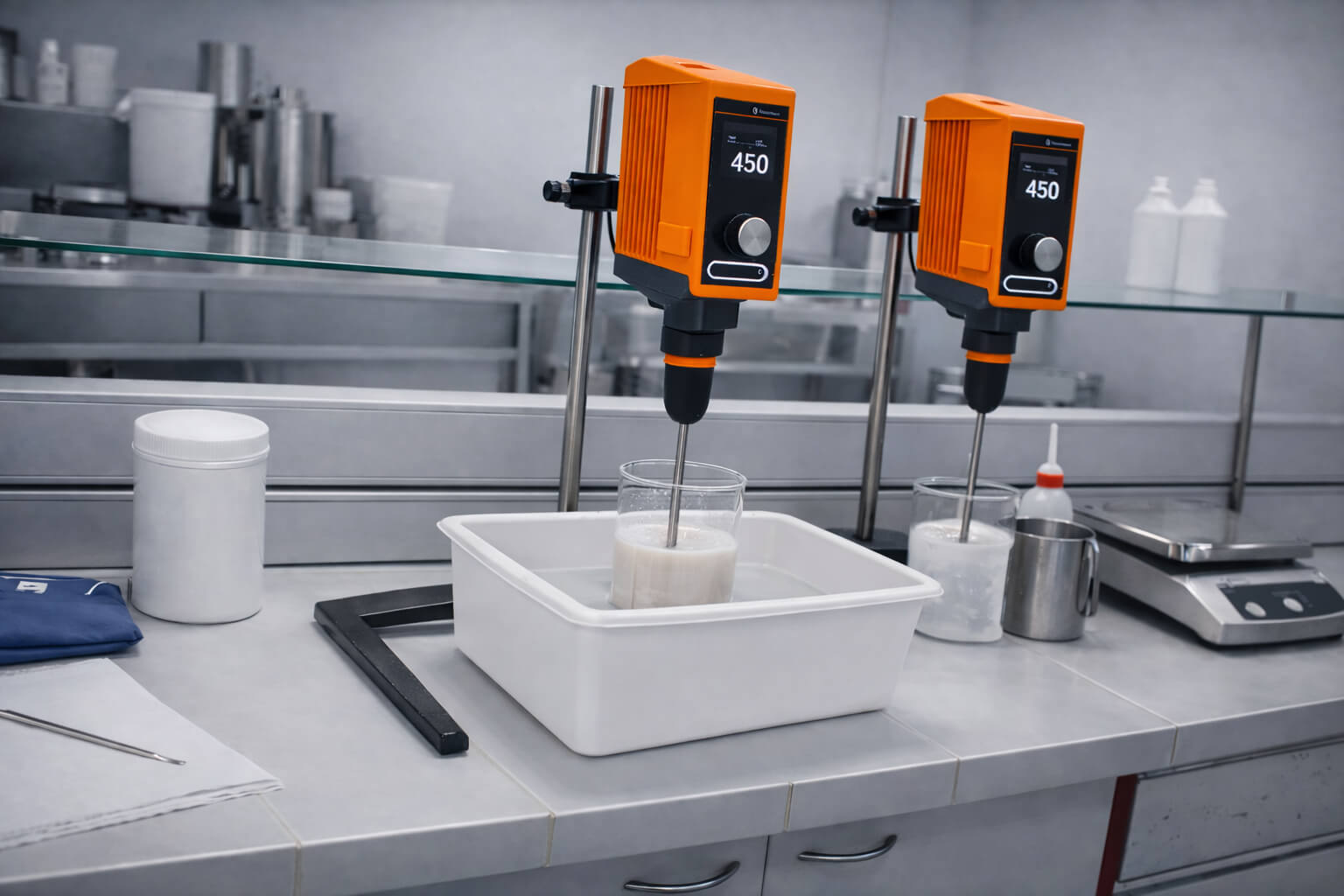
Capsular Ink is supplied as a ready-to-use ink, integrated into the screen-printing or flexographic printing cycle as a dedicated step.
The security zone – defined during the design phase with the client – can be placed on the consortium band, guarantee seal, back label, closure seal or main label, depending on the producer’s positioning and anti-counterfeiting strategy.
Standard operational workflow for an industrial order:
- Joint technical briefing between producer, printer and IPS to define the print zone, target thermal range (for thermosensitive inks) and type of UV pigment (for photosensitive)
- Calibration of the formulation to project specifications - IPS produces customised ink based on the brief
- Supply of Capsular Ink for technical trials by the producer-printer
- Industrial scale-up
- Series production with Capsular Ink as an additional ink in the standard cycle
Commercial advantages for the three main targets
For DOP and IGP producers
- Universal verification without devices: the end consumer, customs inspector, large-scale retail buyer or distributor's quality manager authenticates the product within seconds - a decisive advantage over QR codes that require connection and an app.
- Industrial replication difficulty: the microencapsulated functional formulation is technically complex to counterfeit without access to dedicated technology, raw materials and equipment.
- Higher perceived value: the interactive element (changing colour) is memorable for the consumer, reinforces premium positioning and lends itself to communication campaigns.
- Integration into the existing label: no additional adhesive element, no logistical complexity - Capsular Ink is printed directly onto the material already in use.
For the R&D departments of agri-food groups
- Industrialised, not experimental technology: IPS has been producing Capsular Ink for over 30 years - this is not a proof-of-concept but a well-established solution
- Scalability on B2B print runs: compatible with industrial orders of hundreds of thousands or millions of units per year.
- Replicable technical specifications: thermal ranges, colour response, substrates and printing parameters are parameterisable and documentable for internal quality procedures.
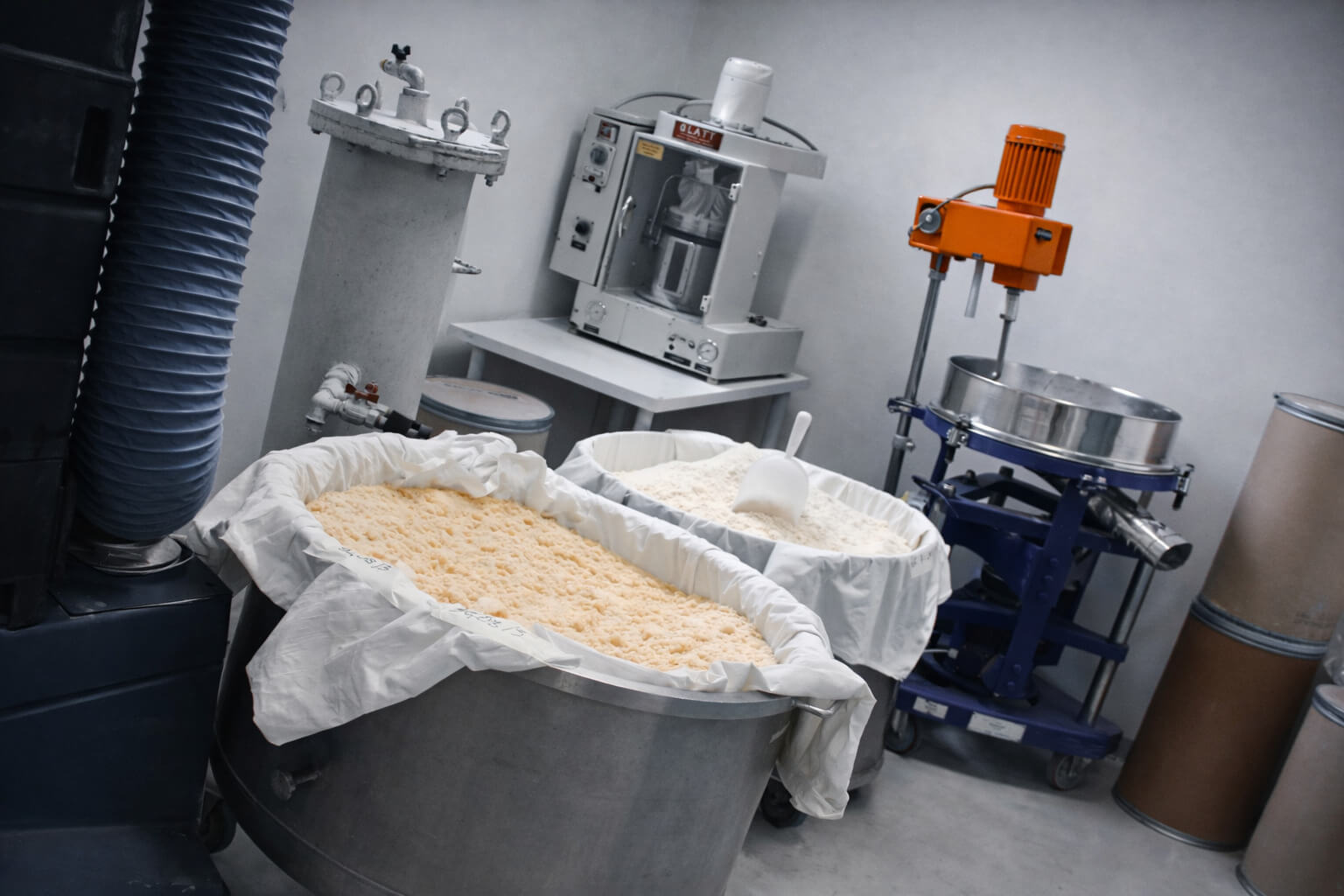
- Continuity of supply: IPS produces the formulations in-house at its Italian plant, ensuring control of the supply chain.
- Combinability with other systems: can be integrated with serial codes, QR codes, holograms and microtext for multi-level protection.
For label printing companies
- High-margin differentiating service: functional printing with Capsular Ink is a value-adding process that makes it possible to offer the end client a superior proposition compared with competing printers.
- No investment in new machinery: Capsular Ink is printed with the screen-printing and flexographic lines already in use.
- IPS support: transfer of operational know-how (pressure, speed and drying parameters) to ensure printing quality from the very first job.
- Positioning in premium sectors: access to the DOP/IGP, premium beverage and security printing segments - traditionally less exposed to the price war of generic printing.
Development status and supply terms
Thermosensitive Capsular Ink technology and photosensitive is industrialised and available as a B2B supply.
The specific application to the DOP/IGP agri-food sector is under development as a dedicated concept and requires a joint design phase with the client for: defining the print zone on the existing seal or label, calibrating the optimal thermal range, validating on the printer’s production line, and integrating with any other traceability systems.
IPS supports producers, agri-food R&D departments and printing companies through its structured service for the development of new microencapsulation projects: analysis of the application context, prototyping on the client’s actual material, and support for industrial transfer.
FAQ - Frequently asked questions on DOP and IGP anti-counterfeiting labels
What minimum volumes are needed to activate an industrial supply of anti-counterfeiting Capsular Ink?
How difficult is it really to counterfeit Capsular Ink compared with holograms or QR codes?
Does the colour effect last for the entire commercial life of the product?
Is Capsular Ink compatible with flexographic printing processes for large volumes?
How long does the development process take from briefing to series production?
Is it possible to combine Capsular Ink with QR codes, serial codes or blockchain traceability systems already adopted by our Consortium?
Does IPS manufacture in Italy or rely on foreign suppliers?
What are the sectors where IPS has already industrialised the anti-counterfeiting technology?
The consolidated application is the SIAE case study - authentication labels for audiovisual media supplied for decades in multi-million volumes. The DOP/IGP agri-food sector represents a natural and strategic extension of this industrial experience.