The technical challenge
Conventional insect repellents – particularly those intended for children’s protection – present two significant technical challenges for formulators and product developers in the personal care and OTC pharmaceutical sectors.
Regulatory pressure and market demand are driving the shift toward formulations with natural active ingredients – citronella, eucalyptus, and lavender essential oils – which however present more complex technical challenges in terms of stability and duration of action.
The second challenge is direct skin contact: any topical formulation – spray, cream, lotion — comes into direct contact with the child’s skin, amplifying the risk of cutaneous reactions and limiting flexibility of use in the youngest age groups.

The technical challenge for the product developer unfolds across 4 levels:
-
Efficacy of the natural active ingredient
Ensuring a concentration and duration of action of the essential oil sufficient to exert a perceptible repellent effect, overcoming the main limitation of natural fragrances applied in free form: rapid evaporation. -
Elimination of direct skin contact
Developing an application format that allows the release of the active ingredient into the user's personal environment without direct topical application, suitable for use on infants and young children as well. -
Stability of the active ingredient
Protecting essential oils — volatile substances sensitive to light, oxygen and heat — during the production process, storage and the commercial life of the product. -
Compatibility with the production process
Integrating the solution into existing adhesive material production processes, without requiring investment in new equipment or structural modifications to the line.
The solution: essential oil microcapsules for patches
Analysis of microencapsulation options
During the technical evaluation phase, IPS analysed the two main solutions applicable to this product type: microcapsules in slurry and dry microcapsules.
Microcapsules in Slurry
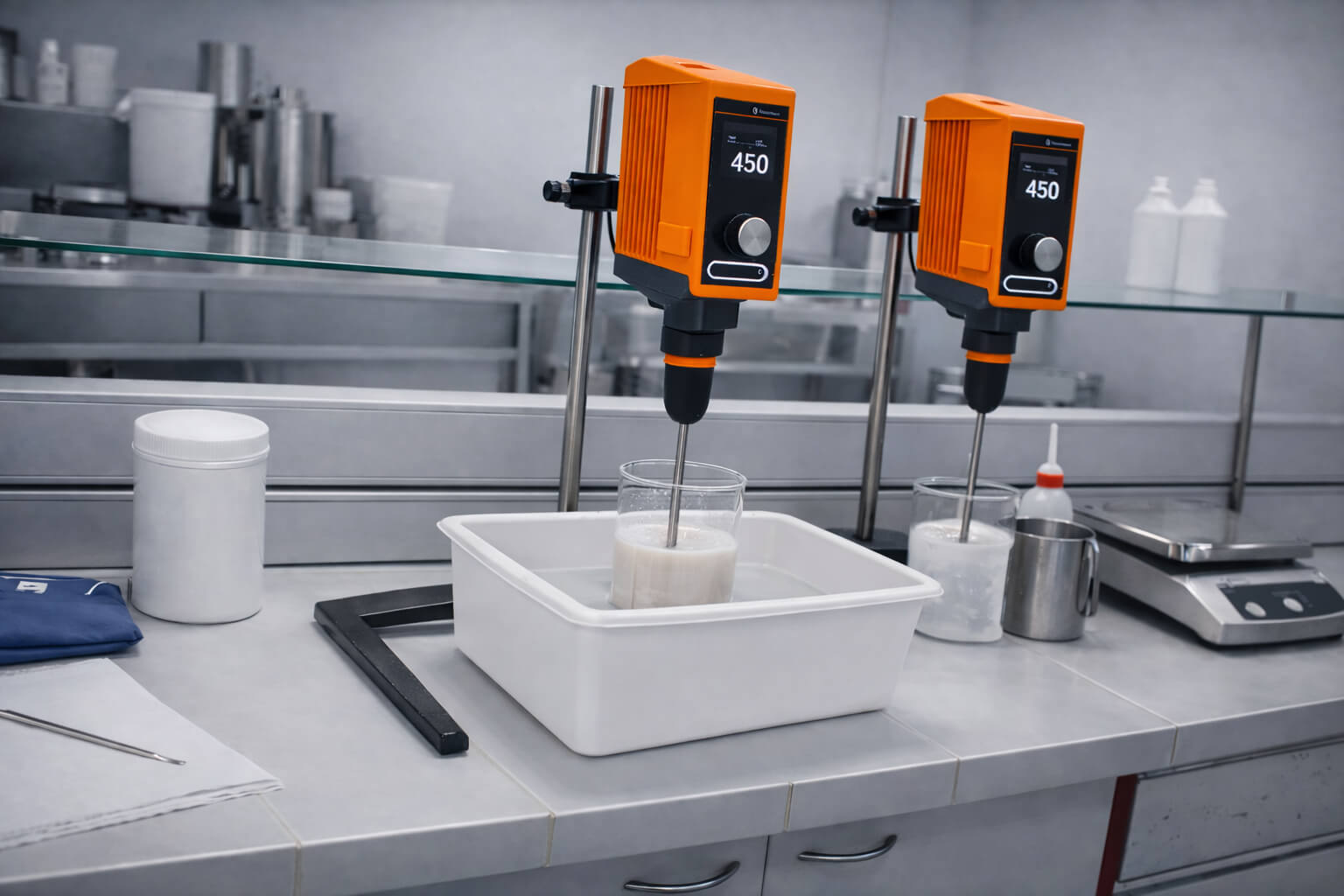
Aqueous suspensions with a core-shell structure and particle sizes ranging from 20 to 500 µm. The preferred solution when the production process includes an aqueous phase – coating, impregnation or padding – into which the suspension can be directly integrated. They ensure homogeneous distribution of the active ingredient and customisable concentration.
Dry Microcapsules
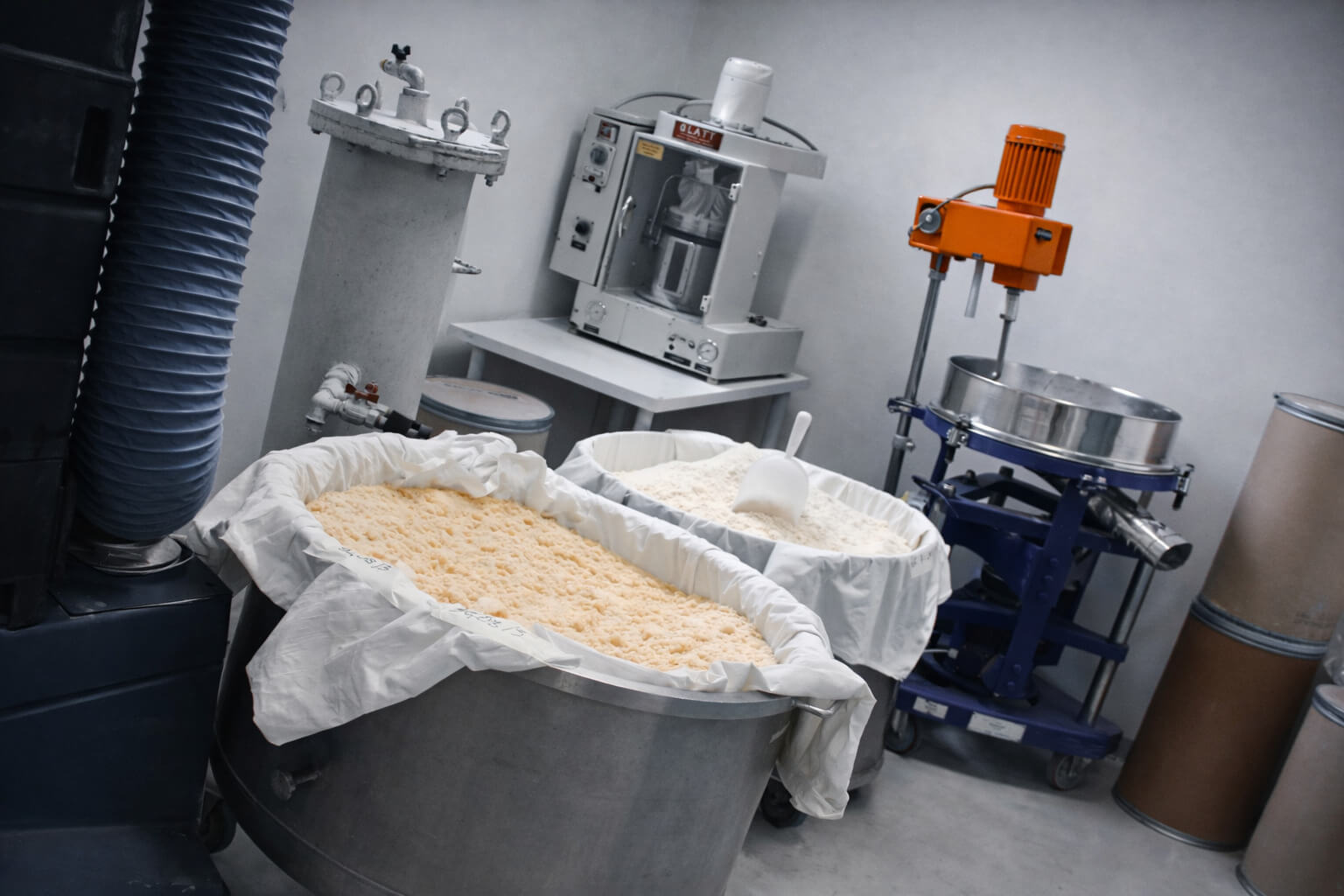
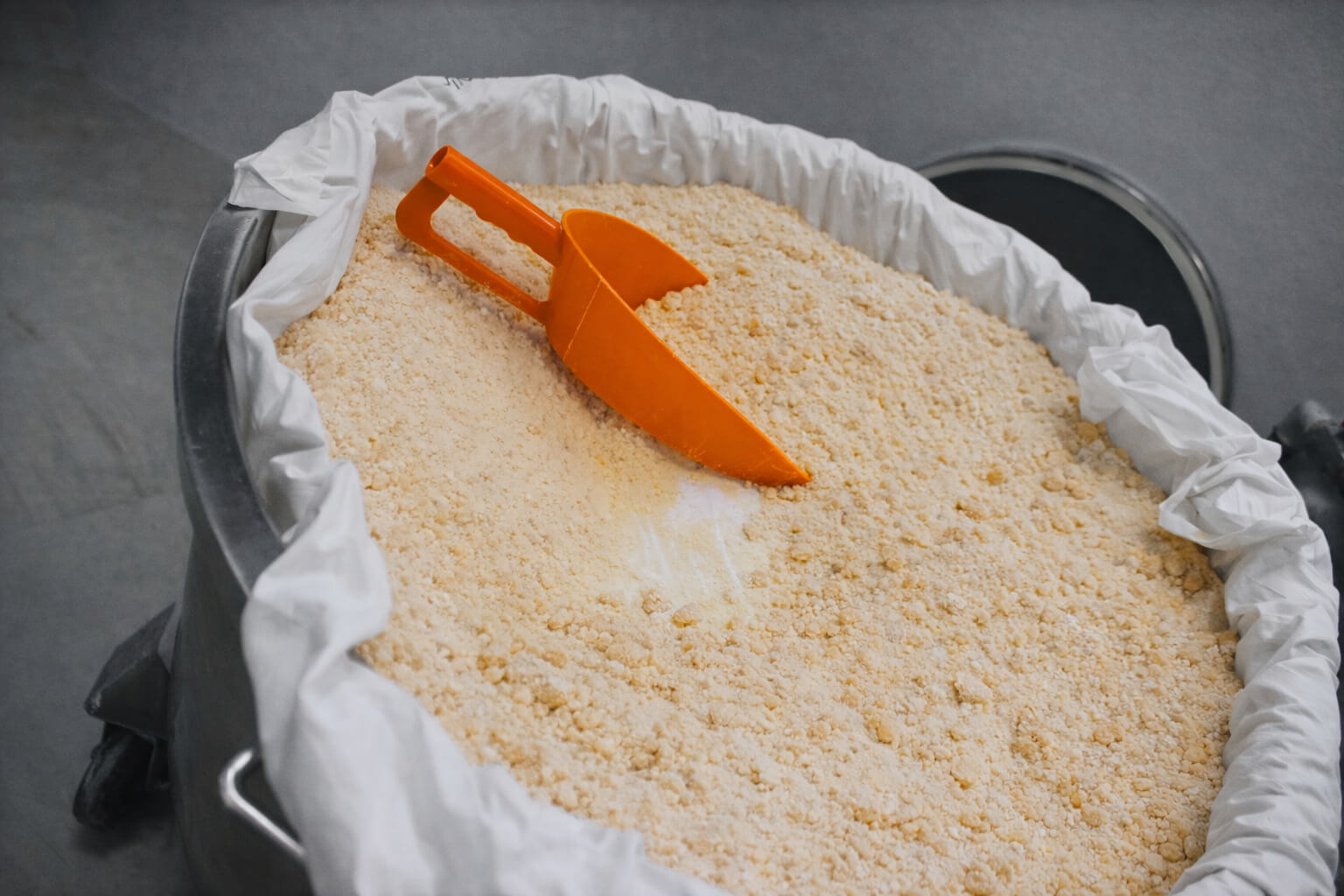
Produced by coacervation and subsequently dried in a fluid bed, converting the suspension into a fine powder with selectable particle sizes between 50 and 1,500 µm through sieving. Average active content of 80-85% by weight – a high value compared to other microencapsulation forms. Ideal for dry processes and integration within material layers.
The choice depends on the customer’s specific production process:
| Microcapsules in slurry | Dry microcapsules | |
|---|---|---|
| Physical form | Aqueous suspension | Fine powder |
| Active content | Variable | 80-85% by weight |
| Particle size | 20–500 µm | 50-1,500 µm (selectable) |
| Particle size | < 10 µm | 20 – 500 µm |
| Ideal process | Aqueous coating, impregnation | Dry blending, solid adhesives |
| Dosage | Volumetric | Gravimetric (weighing) |
The technology: coacervation and core-shell structure
Both solutions are based on the microencapsulation technology by coacervation developed by IPS.
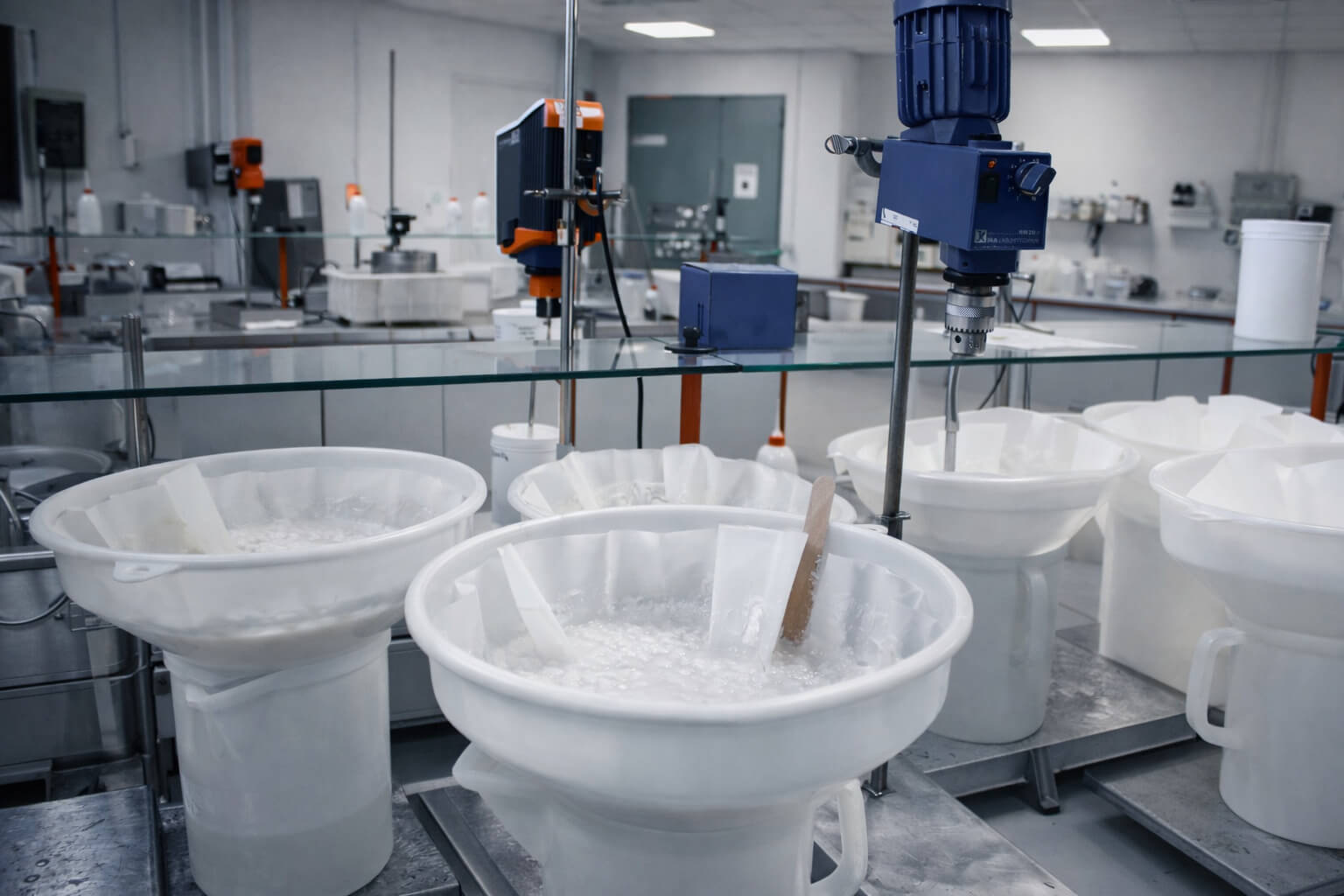
In this process, the essential oil is dispersed in an aqueous solution containing gelatin as the wall polymer. By modifying the process conditions – pH, temperature, concentration – the gelatin coacervates and progressively deposits around the essential oil droplets, forming a thin and continuous membrane.
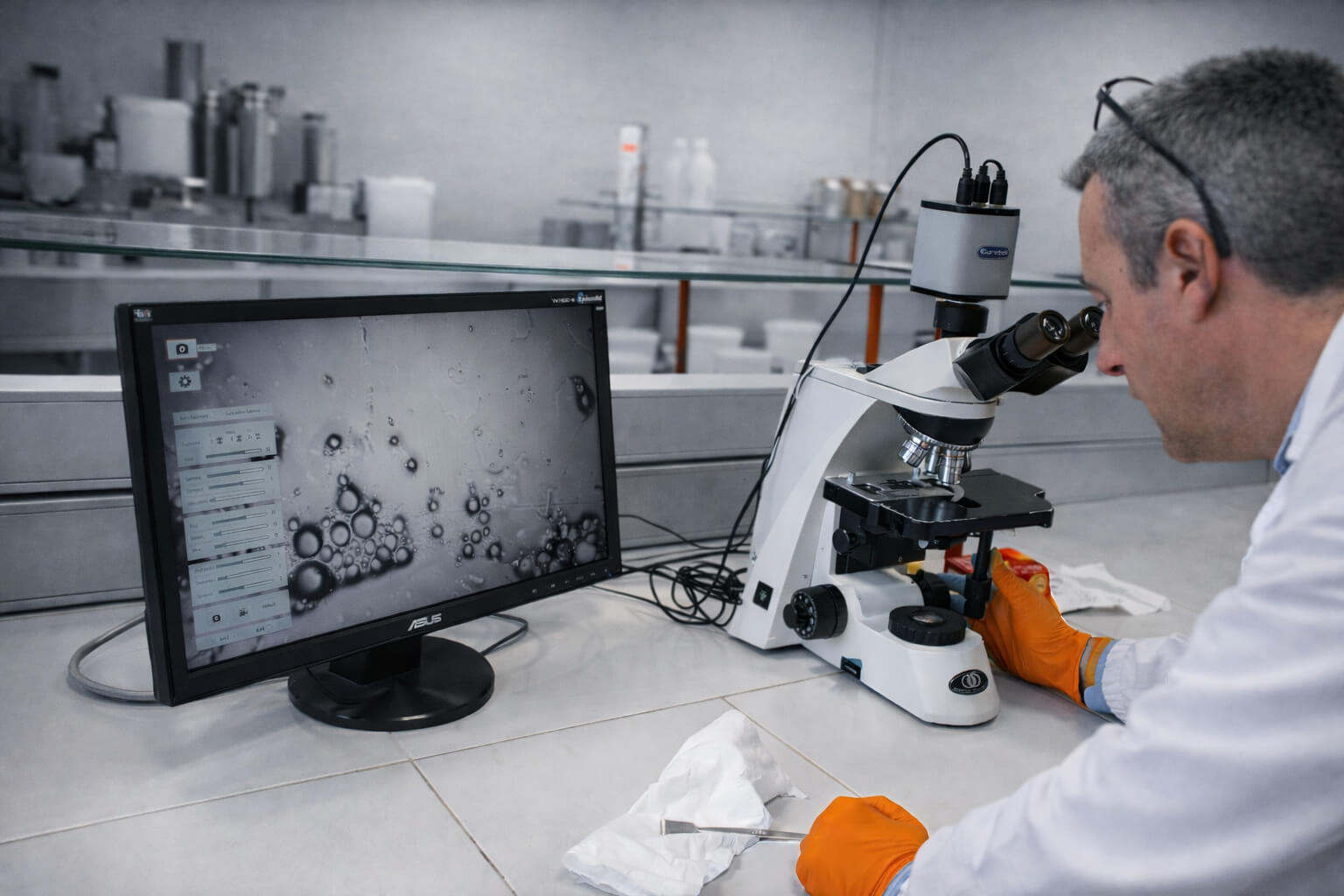
The result is a microcapsule with a core-shell structure: the core contains the protected essential oil, while the gelatin shell ensures stability, protection from external agents and controlled release through mechanical activation.
Technical parameters relevant to this application:
| Microcapsules in slurry | Dry microcapsules | |
|---|---|---|
| Physical form | Aqueous suspension | Fine powder |
| Microcapsule size | 20–500 µm | 50–1.500 µm |
| Wall material | Gelatin | Gelatin |
| Active content | Variable | 80–85% |
| Residual moisture | - | < 10% |
| Release mechanism | Mechanical pressure | Mechanical pressure |
| Applied active ingredients | Natural lipophilic active ingredients (citronella, eucalyptus, lavender, etc.) | Natural lipophilic active ingredients (citronella, eucalyptus, lavender, etc.) |
The application process
The microcapsules – in slurry or dry powder form – are integrated into the patch production process. The homogeneous distribution of the active ingredient across the entire surface ensures a uniform and consistent release during use.
The release mechanism is mechanical pressure: each time the patch is pressed or handled, a portion of the microcapsules breaks open, releasing essential oil into the surrounding environment. The high number of microcapsules per unit surface area ensures prolonged and repeatable release throughout the entire period of use.
Simplified process diagram:
- Microencapsulation of essential oil by coacervation - formation of core-shell structure
- Drying and sieving (dry microcapsules only)
- Integration of microcapsules into the adhesive material production process
- Production of the patch with homogeneous distribution of microcapsules
- Application of the patch to clothing, pram or cot - no direct skin contact
- Progressive release of essential oil through mechanical pressure during use
Results and benefits
-
Elimination of direct skin contact
The patch is applied to external surfaces (clothing, pram, cot), completely eliminating the risk of percutaneous absorption. -
Superior duration of action
The microcapsule shell prevents spontaneous evaporation. Release occurs in a progressive and controlled manner through mechanical pressure. -
Natural active ingredient
Natural essential oils such as citronella, eucalyptus and lavender are free from the toxicological risks associated with synthetic chemical repellents, particularly relevant for the paediatric segment. -
Stability during production and storage
Microcapsules protect essential oils from oxidation, light, and heat during the manufacturing process and the product's shelf life. -
Formulation flexibility
IPS has experience in the microencapsulation of various combinations of repellent essential oils. For active ingredients not included in the standard offering, it is possible to request a feasibility assessment.
Reference sector and related applications
This application falls within the field of microencapsulation for personal care and repellents, an area in which IPS develops solutions for the controlled integration of essential oils and natural active ingredients into personal care products and devices.
Related applications developed by IPS in the same field:
- Scented patches for room and wardrobe fragrance with prolonged-release scent
- Functional textile finishes for technical fabrics and medical materials
- Treatments on non-woven with active ingredients for absorbent products
FAQ — Microencapsulation for insect-repellent patches
Which essential oils can be microencapsulated for insect-repellent patches?
IPS Industrial microencapsulates essential oils of citronella, eucalyptus and lavender, individually or in combination. For active ingredients not included in the standard range, a feasibility evaluation can be requested through the new project development service.
What is the difference between slurry microcapsules and dry microcapsules for patch production?
The slurry microcapsules are aqueous suspensions ideal for liquid-phase coating processes, with particle sizes between 20 and 500 µm. Dry microcapsules are a fine powder produced by fluid bed drying, with sizes between 50 and 1,500 µm and an active content of 80-85% by weight - preferred when the production process requires dry-phase integration.
Do the microcapsules come into direct contact with the child's skin?
No. The patch is applied to clothing, prams or cots - never directly to the skin. The essential oil is released by mechanical pressure on the patch surface, with no dermal contact with the active ingredient. To learn more about the controlled-release mechanism, see the microencapsulation for personal care and repellents section.
How long does the repellent effect of the microencapsulated patch last?
The controlled-release mechanism provided by the core-shell structure protects the essential oil from evaporation and ensures progressive and prolonged release throughout the product's useful life, significantly exceeding the duration of freely applied fragrances. For a complete overview, see the microencapsulation technology section.
Is it possible to combine multiple essential oils in the same microcapsule?
Yes. IPS Industrial develops formulations with combinations of repellent active ingredients - citronella, eucalyptus and lavender can be microencapsulated together or separately depending on the formulation requirements and the client's production process. Technical feasibility is assessed on a case-by-case basis within the development and prototyping service.